


Surface Use Agreements And Pipeline Crossing Negotiations
Pipeline crossings can determine whether a promising lease becomes a practical development opportunity. A producer may control the minerals beneath a tract, yet still need reliable permission to enter the surface, install a gathering line, cross roads or farm improvements, and maintain the infrastructure for decades. That permission is usually shaped through a surface use agreement, right-of-way agreement, easement, or related access instrument.
For Australian investors, landowners, consultants, and energy professionals assessing United States shale projects, the terminology can feel familiar while the legal mechanics vary significantly by state. A crossing in the Anadarko Basin, Permian Basin, or Appalachia may involve different title records, county requirements, environmental controls, and compensation customs. Careful mapping and a well-drafted agreement help turn a proposed route into a manageable commercial arrangement.
Why Surface Access Matters
A mineral lease generally gives an operator rights to explore for and produce oil or gas, but those rights do not automatically settle every surface-use issue. The operator may have an implied right to use land reasonably necessary for production, yet relying on implied rights can create disputes about route selection, construction timing, crop damage, gates, fencing, drainage, and restoration.
A surface use agreement converts broad rights into specific obligations. It can identify the crossing location, define the construction corridor, establish working hours, require notice before entry, and state how the land must be restored. For a landowner, it can protect farming, grazing, residential use, timber operations, or future development. For a pipeline company, it provides greater certainty that crews can access the route without repeated renegotiation.
The crossing itself may be only a short segment, but it can affect a much larger network. A gathering pipeline must connect wells to processing, compression, storage, or interstate transmission infrastructure. A route that appears inexpensive on a map may become costly if it crosses wetlands, steep ground, irrigation systems, public roads, or several separately owned parcels.
Key Terms In A Crossing Agreement
A strong agreement starts with a precise legal description and an understandable exhibit. The document should distinguish the permanent easement from the temporary workspace needed for clearing, trenching, stockpiling soil, welding, and equipment access. It should also show valve sites, access roads, above-ground facilities, safety setbacks, and any areas where construction is prohibited.
The term of the grant deserves careful attention. Some agreements continue for the productive life of a lease, while others run for a fixed number of years or until abandonment. Renewal rights, assignment provisions, and release obligations should be clear. A landowner may want the easement to end when the line is permanently taken out of service; an operator may seek continuity if the system serves multiple wells or is transferred to a midstream company.
The agreement should allocate operational responsibilities in plain language. Typical subjects include corrosion control, leak detection, emergency response, mowing, vegetation management, fencing, road maintenance, soil separation, erosion control, and removal of abandoned facilities. It should also explain who pays if a later expansion requires a larger line, additional pressure, a parallel line, or a new access road.
Compensation And Commercial Leverage
Compensation is rarely limited to a single payment for the easement. Depending on the state and the bargaining position of the parties, the package may include a per-rod or per-foot payment, a temporary workspace fee, annual rental, crop or grazing damages, road-use compensation, and reimbursement for survey or legal costs. Payments should be tied to the actual burden placed on the property rather than based solely on the pipeline’s length.
The landowner’s negotiating leverage often depends on route alternatives. If the proposed crossing is the only practical connection between a producing well pad and a gathering system, the operator may value it highly. If a nearby parcel can provide a substitute route, the landowner may need to demonstrate why the preferred alignment reduces environmental, agricultural, or engineering risk.
Australian participants will recognise the importance of local land-use context. A Queensland cattle property affected by gas infrastructure may have different concerns from a residential holding near Toowoomba, while a Western Australian route near mining operations may involve heavy-vehicle traffic and broad access corridors. Compensation discussions should reflect actual disruption, with amounts documented in the relevant currency and supported by local valuation advice where appropriate.
Risk Allocation During Construction
Construction clauses are where many practical disputes begin. A route may have been agreed in principle, but disagreements can arise over topsoil handling, wet-weather access, livestock escape, damaged irrigation, dust, weeds, or delayed reinstatement. The agreement should establish a baseline condition report using photographs, maps, and written notes before mobilisation.
Indemnities and insurance provisions should match the work being performed. The operator or pipeline contractor should generally carry appropriate general liability, workers’ compensation, automobile, and pollution coverage, subject to the governing law and project structure. The parties should also address damage caused by subcontractors, regulatory penalties, contamination, fire, and unauthorised access.
A sensible agreement includes a process for unexpected conditions. If a buried utility, archaeological site, endangered species habitat, or unstable soil is discovered, the operator may need to suspend work and alter the route. The document should state who decides, who pays for redesign, and how additional disturbance is approved. Emergency access may need separate rules so that urgent safety work can proceed without undermining ordinary notice requirements.
Dispute resolution is equally important. Notice-and-cure periods, senior management discussions, mediation, expert valuation, and court jurisdiction can prevent a minor restoration disagreement from delaying operations. US state law, county recording practices, and any applicable federal requirements should be reviewed by counsel familiar with the project location.
Mapping The Route Before Signing
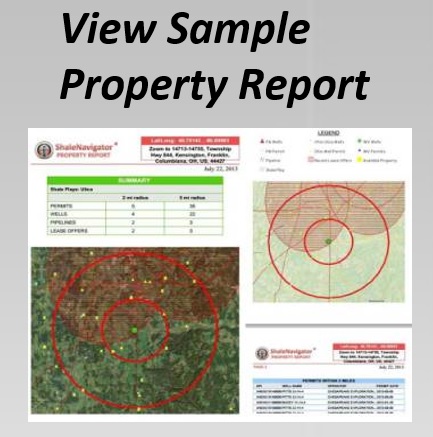
Good negotiation depends on knowing what the proposed crossing actually affects. An interactive map can reveal parcel boundaries, existing wells, lease activity, roads, pipelines, permits, and nearby infrastructure that may not be obvious from a preliminary survey. Shale Navigator’s analysis of Anadarko drilling growth illustrates why regional development patterns matter when assessing future gathering demand and route pressure.
The map should be tested against title and field information rather than treated as a substitute for either. Confirm ownership, record easements, mortgages, liens, access rights, and any restrictions affecting the surface estate. Where a crossing touches multiple tracts, identify every party whose consent or notice may be required, including tenants, lenders, municipalities, and holders of existing utility rights.
Subsurface intelligence can also affect the surface route. A well pad, lateral, or planned development area may change the timing and alignment of gathering lines. Information about seismic shot points can help parties understand how exploration activity supports a broader development plan, although seismic data should be reviewed with appropriate technical and legal qualifications.
Clauses That Support Long-Term Cooperation
The most durable agreements recognise that a pipeline relationship continues after construction. Landowners need dependable communication about inspections, maintenance, pressure testing, vegetation control, and planned shutdowns. Operators need predictable access and a practical method for handling changing field conditions. A schedule identifying routine activities and notice periods can reduce avoidable friction.
Parties should also address future land use. The landowner may later build a shed, subdivide a property, install irrigation, plant deep-rooted trees, or change from grazing to intensive agriculture. The operator may require a line relocation, a new connection, or an additional crossing. Consent standards should be objective, with costs and technical responsibilities assigned in advance.
Records are valuable when ownership or operations change. A recorded easement, complete payment history, construction photographs, restoration sign-off, and contact register can prevent a new owner or midstream operator from reopening settled issues. Property researchers evaluating available rights can review available property data as an early screening step before commissioning title work and a field inspection.
Practical Negotiation Recommendations
Before signing a pipeline crossing agreement, parties should focus on the terms most likely to affect cost, access, and future land use:
- Confirm the exact easement, temporary workspace, access route, valve locations, and construction limits on a surveyed exhibit.
- Separate initial consideration from crop, grazing, timber, road, restoration, and future-damage payments.
- Define notice requirements, working hours, emergency access, inspection rights, and rules for subcontractors.
- Record baseline soil, drainage, fencing, vegetation, roads, and improvements before construction begins.
- Set measurable restoration standards, deadlines, security or bonding arrangements, and a process for unresolved damage claims.
- Obtain state-specific advice on recording, title, environmental obligations, taxation, and the enforceability of indemnities.
For Australian stakeholders, it is useful to compare these provisions with local land-access expectations without assuming that an Australian easement or access deed will operate identically in the United States. Queensland’s Land Access Code, New South Wales land access arrangements, native title considerations, and state-based environmental approvals demonstrate how strongly jurisdiction shapes infrastructure negotiations. The US agreement should be tailored to the relevant state rather than copied from an unrelated project.
A well-prepared crossing package combines route mapping, title review, engineering input, valuation evidence, and practical land management. Use Shale Navigator to screen the surrounding development landscape, identify relevant property and infrastructure layers, and organise the facts that support a more informed discussion with landowners and counterparties. Start with a free seven-day account and bring a clearer evidence base to the next pipeline crossing negotiation.