


Why Utica Gas Is Back In The Conversation
The US shale gas market is moving into a more selective phase. The Marcellus remains one of North America’s largest and most productive gas plays, yet its recent growth story has become less straightforward. Drilling discipline, takeaway constraints, softer regional prices and investor pressure have encouraged operators to prioritise capital efficiency over rapid production increases.
That shift has brought the Utica Shale back into discussions among producers, mineral-rights investors and infrastructure planners. The play sits beneath or near parts of the Appalachian region, with its most commercially relevant development concentrated in eastern Ohio and extending into West Virginia and Pennsylvania. Its economics differ from the dry-gas core of the Marcellus, creating fresh interest as companies look for liquids, condensate and alternative drilling opportunities.
For Australian readers, the comparison is useful. The United States has a dense network of interstate pipelines and a mature gas-lease system, while Australia’s east coast market is shaped by long-distance transmission, LNG-linked pricing and projects such as Gladstone LNG in Queensland. A basin that appears marginal at one US price point can become strategic when pipeline access, export demand or local power generation changes.
The question behind why the Utica has re-entered conversation while the Marcellus cools off is therefore less about one play replacing another. It is about geology, infrastructure, commodity mix and acreage position becoming more important as operators reassess where the next dollar of drilling capital can work hardest.
The Marcellus Is Cooling In A Selective Way
The Marcellus has not disappeared from the US gas landscape. It remains a large resource with established gathering systems, experienced service providers and extensive well data. The phrase “cooling off” refers primarily to the pace and style of development: fewer aggressive growth programmes, more cautious completions and greater scrutiny of well-level returns.
Several forces contribute to this moderation. Appalachian gas producers have faced periods of low Henry Hub and regional pricing, especially when production growth outruns takeaway capacity or local demand. Operators have also become more disciplined after years in which investors demanded free cash flow, debt reduction and restrained capital expenditure instead of production at any cost.
The result is a mature basin environment. Companies can still drill high-quality Marcellus wells, but the easiest inventory may already be developed. Remaining opportunities require sharper decisions about spacing, lateral length, infrastructure access and timing. A permit may show where drilling is legally possible, yet it does not prove that the location is economic under current prices.
Why The Utica Offers A Different Mix
The Utica is attractive because it provides geological and commercial diversity within the broader Appalachian system. Depending on location and depth, wells can produce dry gas, wet gas, condensate or oil-rich hydrocarbons. That liquids exposure may improve revenue potential when natural gas prices are weak, although it also introduces additional processing, marketing and transportation requirements.
The play’s depth and rock characteristics can create technical advantages in some areas, including pressure and drilling conditions that support strong initial production. These benefits are highly localised. A productive county or operator trend should not be treated as a proxy for every Utica lease. Mineral ownership, faulting, well spacing, water handling and nearby infrastructure can materially change the value of an individual tract.
For investors, the Utica can therefore function as a portfolio diversification story within Appalachia. A company with a large Marcellus position may seek adjacent Utica acreage to extend drilling inventory or capture a different hydrocarbon stream. A landowner may view a lease offer differently if the target formation includes liquids potential rather than dry gas alone.
Infrastructure Is Shaping The Opportunity
Pipeline access remains central to the basin’s outlook. Appalachia has abundant gas resources, but moving molecules to premium markets has been politically, legally and technically complicated. New pipeline proposals may face permitting delays, environmental review and community opposition, while existing systems can experience bottlenecks during periods of high production or seasonal demand.
The Utica’s commercial case improves when gathering and processing facilities are close enough to reduce bottleneck risk. Natural gas liquids need separation, fractionation and reliable outlets. Condensate and oil require their own marketing arrangements. An acreage position without practical midstream access may carry a headline value that is difficult to realise.
This is a familiar issue for Australian energy professionals. Gas produced in the Cooper Basin, Surat Basin or Carnarvon Basin does not have equal value at every point because transport distance and market access matter. A producer near Brisbane or Gladstone may assess infrastructure differently from one targeting Sydney or Melbourne demand. The same principle applies in Ohio: maps of leases and wells need to be read alongside compressor stations, processing plants, trunk pipelines and proposed capacity.
Demand Signals Are Rewriting Basin Priorities
US gas demand is being influenced by LNG exports, data-centre electricity consumption, coal-to-gas switching and new power generation. Those trends can support long-term consumption, yet they do not guarantee immediate price strength for every Appalachian producer. Regional basis differentials, weather and pipeline availability still influence realised returns.
LNG is particularly relevant because Gulf Coast export terminals connect US shale gas to international markets. Australian observers will recognise the broader dynamic from the way Asian LNG demand affects investment decisions in Queensland and Western Australia. A domestic gas project may be assessed against export alternatives, contract structures and the cost of transporting supply to an available market.
Utica development may gain attention when operators believe its liquids profile, well productivity or location offers a better response to these demand signals. It can also attract interest when service costs fall or when a producer has underused infrastructure nearby. These are timing advantages rather than permanent guarantees, which is why current permit activity and lease transactions deserve careful monitoring.
Market participants can compare the Utica with other specialised US plays by reviewing research on niche gas basin economics. The Piceance example shows how a technically substantial resource can remain commercially selective when infrastructure, demand and development costs limit its addressable market.
What The Shift Means For Property And Mineral Rights
A renewed Utica conversation creates practical implications for anyone evaluating land, minerals or drilling prospects. Buyers should examine the producing formation, lease depth rights, pooling language, royalty terms, deductions, primary and secondary lease terms, surface restrictions and any existing encumbrances. A broad “Appalachian” label is not enough to establish that a parcel has meaningful Utica exposure.
Permit and well data can reveal whether an operator is maintaining activity, testing a new area or simply holding acreage. Useful signals include recent permits, horizontal lateral direction, well status, completion dates, production decline patterns and nearby infrastructure. Lease offers may also show where companies are attempting to consolidate mineral positions before a larger development programme becomes visible.
For landowners, the return of attention can improve negotiating leverage, but it can also create confusion. A leasing agent’s forecast is not the same as a reserve estimate, and a planned well is not the same as a funded well. Independent legal and technical advice remains important, particularly where estates contain split mineral ownership or where a proposed unit crosses multiple counties.
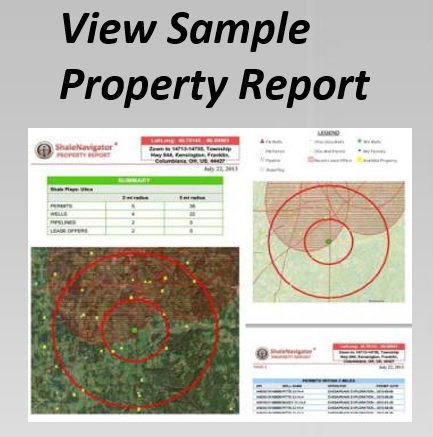
A mapping platform can help users bring these layers together. Shale Navigator provides access to information on shale plays, permits, lease offers, pipelines, mineral rights and property data, allowing users to investigate whether a Utica thesis is supported by evidence on the ground. Analysts who need broader datasets and advanced features can review the available subscription options before making acquisition, leasing or development decisions.
The most useful interpretation is that the Utica is re-entering the conversation because the market is becoming more discriminating. The Marcellus still matters, yet its mature inventory and infrastructure constraints encourage operators to examine adjacent formations and alternative hydrocarbon mixes. The Utica can offer that optionality, especially where well results, midstream access and local ownership patterns align.
For Australian companies, investors and advisers tracking US shale, the lesson is straightforward: basin names are starting points, not valuations. Examine the exact county, formation, permit history, pipeline route, processing access and lease terms. Start a free seven-day account to investigate the relevant map layers and identify the acreage, infrastructure and activity patterns behind the renewed Utica interest.