


Why Barnett Permits Could Slow Even When Gas Prices Rise
High natural gas prices usually improve drilling economics. Yet the Barnett Shale may still experience a pause in new permits, especially around the densely developed Dallas–Fort Worth region. The reason is that commodity prices are only one part of the decision to drill. Operators must also weigh acreage quality, well inventory, gathering capacity, local opposition, permitting timelines, and expected returns.
The Barnett is a mature shale play. Many of its most attractive locations have already been drilled, while newer opportunities may require longer laterals, tighter spacing, recompletions, or more complex surface planning. A strong Henry Hub price can support production, but it does not automatically make every remaining location competitive.
A temporary slowdown in permitting would therefore reflect a selective capital strategy rather than a collapse in the play. Companies may preserve cash, prioritize existing wells, and wait for clearer signals about local gas prices, service costs, and infrastructure availability before adding new drilling locations.
Mature Acreage Changes The Permit Equation
The Barnett helped establish modern shale gas development, and its long production history provides operators with extensive geological and performance data. That experience is valuable, but it also means many prime locations have already been developed. Remaining acreage can be fragmented, less productive, or harder to access than the original drilling inventory.
Older wells may also compete with new projects for gathering and processing capacity. In a mature field, operators often have to evaluate whether a new well will add enough incremental production to justify surface construction, pipeline connections, water management, and regulatory work. A permit may be technically achievable while still producing a lower return than a project in a less mature basin.
Well interference is another consideration. Infill drilling can draw down pressure around existing wells, reducing expected performance. Companies may delay permits while they study parent-child well effects, spacing rules, and completion designs. Waiting can preserve optionality until better reservoir data or improved stimulation techniques support a more confident investment decision.
High Prices Do Not Guarantee Strong Local Returns
Natural gas prices are regional in practice. A producer may benefit from a strong national benchmark while receiving a weaker realized price because of basis differentials, transportation charges, processing fees, or temporary congestion. In North Texas, the value of production depends on the route from the wellhead to a market, not simply on the headline price reported at Henry Hub.
Operating costs also matter. Labor, steel, compression, fuel, equipment, and environmental compliance expenses can rise at the same time as gas prices. If service costs absorb much of the revenue increase, the margin on a new Barnett well may remain less attractive than the margin on a workover or an investment in another basin.
Infrastructure timing can further influence permit decisions. The relationship between takeaway constraints and drilling activity is visible across shale plays; the Haynesville takeaway analysis illustrates how pipeline availability can shape production plans even when drilling fundamentals appear favorable. Barnett operators face the same basic calculation: secure a dependable outlet before committing capital to additional supply.
Urban Development Raises Surface Risk
The Barnett’s location near major population centers creates advantages, including established roads, pipelines, processing facilities, and a nearby workforce. It also creates greater scrutiny. Drilling plans must account for homes, schools, commercial properties, airports, highways, municipal infrastructure, and community expectations.
Surface access can become a decisive constraint. A prospective mineral position may be attractive underground but difficult to develop because a suitable pad location is unavailable or because the lateral would cross incompatible parcels. Operators may need additional easements, revised routes, noise controls, traffic plans, or setbacks that increase the cost and duration of development.
Local rules and public sentiment can add uncertainty. Even where state-level authority supports oil and gas activity, municipal regulations, zoning disputes, litigation, and public hearings can affect the timing of a permit. A company may choose to delay applications until it has assembled a larger development plan that reduces repeated surface disruption and improves the odds of approval.
What A Permit Pause Could Signal
A decline in new permits does not necessarily mean that Barnett production will fall immediately. Operators can maintain output through existing wells, artificial lift optimization, compression improvements, refracturing, recompletions, and routine workovers. These activities may require less capital and face fewer surface hurdles than a completely new drilling location.
The pause may also indicate a shift from expansion to portfolio management. Companies with a large inventory of permitted locations can defer drilling while retaining the right to act when local prices improve or infrastructure becomes available. Permit counts therefore need to be read alongside rig activity, completion schedules, well starts, and production from existing assets.
Several factors can produce this pattern:
| Driver | Effect On New Permits | Why It Matters |
|---|---|---|
| Mature well inventory | Reduces urgency to add locations | Existing wells may provide dependable cash flow |
| Local basis weakness | Lowers realized revenue | Benchmark prices may overstate wellhead economics |
| Urban surface constraints | Extends planning and approval timelines | Pads and laterals must fit around development |
| Service-cost inflation | Compresses project margins | Higher revenue may be offset by higher input costs |
| Pipeline or processing limits | Delays new supply | Operators need confidence in market access |
| Capital competition | Redirects budgets elsewhere | Newer plays may offer larger or cheaper inventory |
This is why permit data should be interpreted as a forward-looking indicator rather than a direct measure of current production. A producer can reduce permit applications while continuing to generate strong cash flow from a mature asset base.
Mineral Rights And Legal Complexity Matter
Barnett development often involves a complicated mix of mineral ownership, leases, surface rights, overriding royalties, and prior agreements. A company may control the minerals but still need to negotiate surface access or coordinate development across multiple tracts. Title defects, unresolved ownership, and overlapping lease terms can delay a permit-ready location.
Pooling and spacing questions can become especially important when a proposed horizontal well crosses multiple ownership interests. Broader shale development experience shows why landowners and operators need to understand the legal framework; guidance on forced pooling rights demonstrates how compulsory development rules can affect participation, royalties, and negotiations.
For landowners, a slower permit environment can have mixed effects. It may reduce near-term surface disruption, but it can also postpone lease payments, bonus opportunities, or royalty income. For operators, waiting may provide time to cure title issues, consolidate acreage, or redesign a drilling unit before filing applications that could attract opposition.
Data Can Separate A Pause From A Retreat
The most useful way to assess Barnett activity is to combine several datasets. Permit applications show intent, while completions and first production show execution. Lease activity indicates future optionality, and pipeline or processing layers reveal whether planned wells have a realistic route to market.
Property and mineral-rights data add another level of detail. Mapping parcel boundaries, producing wells, permits, infrastructure, and available rights can reveal whether a slowdown is concentrated in a particular municipality, operator acreage block, or development corridor. A broad decline across the basin suggests a strategic shift; a localized decline may simply reflect surface or title constraints.
Cross-basin comparisons can also prevent misleading conclusions. Gas opportunities outside traditional gas plays may compete for capital, especially where associated gas production and existing infrastructure improve economics. The Bakken gas reserves overview shows why oil-focused regions can still influence the national gas supply picture and investment decisions.
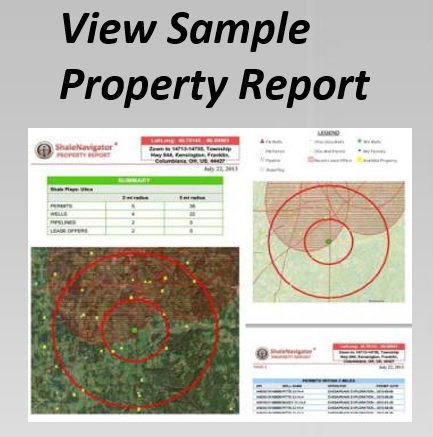
For analysts, attorneys, landmen, and property owners, an interactive map can connect these facts more effectively than isolated spreadsheets. Shale Navigator brings together shale plays, permits, lease offers, pipelines, mineral rights, and property information so users can evaluate the location-specific reasons behind a permit trend.
Practical Signals To Monitor
A temporary Barnett slowdown becomes more meaningful when several indicators move together. Falling permit filings combined with fewer well starts, lower rig counts, and reduced completion activity suggests operators are actively trimming development. A permit decline paired with stable workovers and production may instead reflect an orderly shift toward maintenance and optimization.
Useful monitoring priorities include:
- Compare new permits with well starts and completion dates.
- Track local gas prices, basis differentials, and pipeline capacity.
- Review surface constraints around proposed pads and lateral paths.
- Examine lease expiration dates, title issues, and ownership fragmentation.
- Map operator activity against production, infrastructure, and mineral availability.
The timing of a rebound will depend on more than a higher gas benchmark. Operators need confidence that new wells can be drilled efficiently, connected promptly, and protected from excessive interference. If those conditions improve, dormant locations may return to development plans quickly; if they do not, companies can remain selective even in a stronger commodity market.
The Barnett’s possible permit pause is best understood as disciplined capital allocation in a mature, urbanized shale basin. Use current permit, infrastructure, property, and mineral-rights data to identify where activity is slowing, where development remains feasible, and which opportunities deserve closer review through Shale Navigator’s seven-day account.