


Why Surface Owners Should Verify the Depth Severance Clause in a Lease
Depth severance clauses can determine who owns, or receives payment for, the oil and gas beneath a parcel. In some US shale leases, a clause reserves rights below a stated depth, grants the surface owner a bonus or royalty, or limits the lessee’s rights once deeper formations are developed. The wording can therefore shift substantial mineral value without changing who controls the surface.
Australian investors, rural property owners and energy advisers may encounter these provisions when reviewing US shale interests, land portfolios or cross-border mineral-right deals. Australia has no single US-style system for leasing shale acreage, so the governing US state, title chain and exact lease form must be identified before a clause can be interpreted.
What the depth clause actually changes
A depth severance creates a boundary within the mineral estate. It may give the lessee everything above that boundary while leaving the owner with a separate deep interest, or it may make a one-off payment the trigger for the lessee to acquire deeper rights. “Reserved,” “subject to” and “severed” can describe materially different outcomes.
The practical effect depends on the clause’s stated depth, the formations included and the date it takes effect. A limit measured only by depth may accidentally capture an unconventional reservoir, while language tied to named formations may not match changing geology. Production history and drilling targets should be checked alongside the legal description.
A surface owner does not automatically own the minerals beneath the soil. If the mineral estate was reserved by a prior deed or conveyed separately, the owner may have little say in a lease negotiated by the mineral owner. The first task is to establish which estate the proposed clause affects and whether the signer has authority to grant or reserve the relevant rights.
Read the depth, land and exceptions
Depth figures are not self-executing. The lease should identify whether feet or metres are used, the land survey’s or well-site datum, and the point from which depth is calculated: drilled depth, casing point, sea level or a specified geological marker. Ask the drafter to state the measurement method in the document, then have a land or petroleum professional test it against actual well data.
Horizontal drilling and deep vertical wells often fall outside assumptions embedded in older clauses. Exceptions for wells deviating from a vertical path, protection wells, existing wells, pooled production or rights below the stated depth can broaden the lessee’s control. Review every exception for formations, acreage limits, notice requirements and whether it applies to future assignments and successor owners.
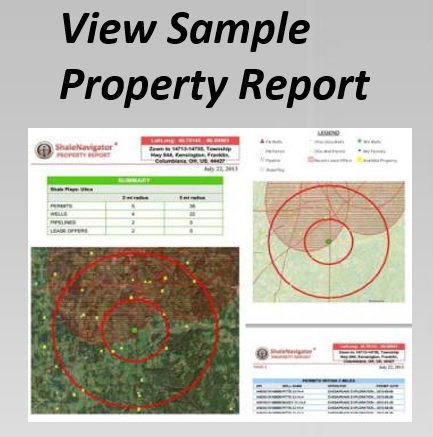
The description of the land must also be reconciled with the mineral interest. Compare the legal description, parcel identifier, acreage, plats, deeds, lease amendments and division orders. Shale Navigator’s layers for permits, lease offers, pipelines and available mineral rights can reveal spatial conflicts or nearby activity, but mapped data cannot prove ownership or replace a certified title examination.
Trace consideration, duties and remedies
A deep-rights reservation should state the consideration plainly. Specify whether the owner receives a per-acre bonus, a fixed sum, an overriding royalty, contingent payments or merely an option to join a deeper venture. Record the payment deadline, acreage covered, trigger event and consequence of non-payment; a right that can be perfected without payment may offer little protection.
The clause may also impose active obligations. It can require notice before crossing the depth limit, minimum testing or drilling commitments, delivery of production data, unit or pool participation, plugging and site restoration. If those duties are omitted, the owner may retain a nominal interest while the lessee controls access, timing and future operations.
Remedies deserve equal attention. Look for language on delay, default, arbitration, venue, attorney’s fees and the return or termination of reserved rights. Include how the clause interacts with force majeure, lease termination and subsequent leases covering the same formation. These details often matter more than the headline bonus when the reserved interval remains undeveloped.
Compare US and Australian legal realities
US shale leases are governed by state property and oil-and-gas law, and a similar phrase can produce a different result in Pennsylvania, Texas, Louisiana or another producing state. Australian readers should resist importing local assumptions about mineral ownership or standard lease forms. The controlling documents are the US deed, lease, governing-law clause and state-specific statutes or regulations.
Australian practice illustrates why title and access must be separated. In Queensland, petroleum is held under state tenements while access to private land is commonly secured through landowner agreements and compensation under the Petroleum Act; in New South Wales, access and native-title interests add further layers. Australian energy investors also commonly gain exposure through ASX-listed producers, royalty companies and interests in LNG projects centred on Gladstone, rather than by leasing US-style surface parcels.
Project economics can change while a clause is being negotiated. Federal methane charges, state fees and permitting conditions may reduce the value of marginal wells and alter whether a deep-rights bonus is acceptable. This methane fee changes overview illustrates how regulatory costs are affecting small operators in the Marcellus, another reason to test the payment against realistic drilling scenarios rather than the lease’s opening recital.
Protect the position before signing
Before signing, create a verification file containing the mineral title report, recorded lease and every amendment, the title policy, royalty and division-order records, nearby well logs, the parcel map and a clause-specific issue list. Confirm the effective date, depth calculation, acreage, named formations, exceptions, payment triggers and remedies against those sources. A clean map should support the review, not replace it.
An Australian investor should involve a lawyer admitted in the relevant US state and, when needed, a petroleum land adviser or geologist. The review should address title, the effect of horizontal wells, assignment controls, pooling, protections for later lessees and the market value of the severed interest. Ask for written advice tied to the specific document rather than a generic interpretation of the clause.
Any uncertainty should be resolved in a signed amendment before execution. Define missing measurements, attach a parcel exhibit, state when notice is deemed received, allocate taxes and costs, and make approval of a transfer or release conditional on the owner’s consent where commercially important. Store the final instrument with the payment evidence and maintain a renewal diary for notice and drilling obligations.
A practical next step is to open Shale Navigator’s free seven-day account and compare the mapped parcel with permits, lease offers, mineral-right listings and nearby pipelines. For help selecting the relevant US layers and subscription options for the review, ask Shale Navigator about the states and basins under consideration.
Then give the title and lease documents to the US-qualified legal reviewer, obtain a written interpretation of the depth boundary and negotiate any ambiguity before signature. Request the map review, assemble the complete title file and secure that written confirmation before committing capital or granting an interest.