


Why Abandoned Shale Wells Can Outnumber Active Wells
A shale formation can appear highly productive while carrying a large legacy of wells that are idle, uneconomic, or permanently plugged. This pattern is common in mature oil and gas provinces, where drilling activity moved rapidly through the best acreage before prices softened, operators consolidated, or field infrastructure reached its limits. The number of abandoned wells therefore reflects a formation’s development history as much as its remaining geological potential.
For Australian investors, landowners, and energy professionals, the comparison is useful when assessing United States shale opportunities from afar. Australia’s Cooper Basin, Beetaloo Basin, and Queensland gas projects operate under different geology, regulation, and market conditions, yet the same questions apply: how much of the resource has been tested, what infrastructure remains, and whether inactive wells signal exhaustion or simply poor timing.
High Initial Decline Rates Change The Numbers
Shale wells often produce their highest volumes soon after completion. Output can fall sharply during the first year, then settle into a long, lower-rate tail. A field may therefore need constant drilling to maintain its total production level. When new wells stop arriving, the active-well count falls quickly even if substantial hydrocarbons remain underground.
This decline profile differs from many conventional reservoirs, where a smaller number of wells may drain a larger connected area over a longer period. In shale, horizontal laterals and hydraulic fracturing unlock narrow rock volumes around each wellbore. The formation can contain significant gas or oil, yet individual wells may fail to generate acceptable returns after their initial production period.
A high abandoned-to-active ratio may consequently indicate a mature development cycle rather than an empty play. It becomes meaningful only when paired with well age, production history, lateral length, completion design, and the location of remaining permits.
Economics Often Matter More Than Geology
Operators abandon wells when expected future income no longer justifies operating, repair, compliance, or plugging costs. Weak commodity prices are an obvious trigger, but economics can deteriorate for other reasons. Gathering fees may rise, water disposal may become expensive, or a pipeline connection may be delayed. A technically sound well can become commercially unattractive.
Oil and gas prices also affect different parts of a shale portfolio in different ways. A gas-heavy formation exposed to regional basis discounts may struggle even during a period of strong national prices. Conversely, a liquids-rich zone may retain value when dry-gas drilling slows. Hedging, transport contracts, royalty burdens, and service costs can produce very different outcomes for neighbouring wells.
This is relevant to Australian readers familiar with the east coast gas market, where domestic supply, LNG-linked pricing, pipeline capacity, and export commitments influence project decisions. A field’s production potential cannot be separated from the route to market.
Abandonment Can Follow Ownership Changes
Shale acreage frequently changes hands. A major producer may sell marginal leases to a smaller operator, while a private-equity-backed company may acquire wells with a plan to harvest cash flow rather than drill aggressively. During these transitions, wells can be temporarily shut in, reclassified, or ultimately plugged.
Corporate strategy also creates uneven development. An operator may concentrate capital in a preferred county, formation bench, or drilling unit and leave older wells outside the core area inactive. A formation-wide count can make the play look exhausted even when activity is simply migrating toward better rock or more efficient infrastructure.
Regulatory status matters here. “Abandoned” may refer to a well that has been permanently plugged, while “inactive,” “shut-in,” “orphaned,” and “idle” can describe different conditions under state rules. Comparing records without standardising those categories can produce misleading conclusions about the actual condition of the asset base.
Infrastructure And Surface Access Shape Activity
A productive well needs roads, electricity, gathering lines, processing capacity, water handling, and a reliable buyer. In remote shale regions, missing infrastructure can delay development long enough for leases to expire or financing assumptions to change. A formation with numerous inactive wells may have been constrained by midstream bottlenecks rather than poor reservoir performance.
Surface access adds another layer. Multiple mineral owners, complex lease provisions, environmental restrictions, and local permitting requirements can prevent an operator from drilling the most attractive locations. In the United States, county-level records and state agency data may reveal that active drilling is clustered around established infrastructure corridors.
Australian users will recognise comparable practical issues in the long distances between supply hubs and prospective acreage. A Perth-based investor examining a US play should treat transport and field services as part of the subsurface assessment, just as a project in the Beetaloo must account for roads, pipelines, workforce logistics, and regional access before resource estimates become commercial plans.
What Well Patterns Reveal About A Formation
A useful review separates the visible well count from the story behind it. Map layers can show whether abandoned wells are scattered across the play, concentrated in early development zones, or surrounded by newer permits and producing wells. That spatial pattern often says more than a simple ratio.
Useful indicators include:
- Abandonments concentrated in older drilling units
- Active wells aligned with newer completion designs
- Production clustered near gathering or processing facilities
- Permits continuing in areas with few completed wells
- Plugged wells located outside the strongest geological fairway
The time sequence is equally important. A wave of abandonments after a price collapse suggests a different risk from steady plugging across several operators and commodity cycles. Reviewing permit dates, completion dates, last production, ownership transfers, and nearby lease activity helps distinguish temporary retrenchment from structural decline.
Other signals deserve closer attention:
- Repeated shut-ins before permanent plugging
- Short lateral wells beside longer modern laterals
- High initial output followed by steep decline
- Wells with unresolved compliance or mechanical issues
- Undeveloped mineral positions near active infrastructure
For investors assessing prospective acreage, abandoned wells may even help define the limits of a development trend. A cluster of older failures can mark a weak bench, poor pressure communication, water problems, or an area where surface costs overwhelm expected returns. It can also identify a rework or refracturing opportunity, although that requires detailed engineering and regulatory review.
Data Quality Determines The Investment View
Public well records are valuable but rarely uniform. One state may update production data monthly while another uses different status codes or reporting intervals. A database can also contain duplicate permits, amended well identifiers, delayed plugging records, or production figures that do not align neatly with lease boundaries.
The best analysis combines several data types: well status, production history, permit activity, lease ownership, mineral rights, pipeline access, and property information. Users looking for early-stage positions can review undeveloped mineral rights alongside nearby wells rather than treating all unleased acreage as equally prospective.
For an Australian family office, land services firm, or university research group, this layered approach is especially important because the US system is fragmented across states and counties. A clean map can reveal a pattern, but the underlying record should still be checked before a lease valuation, legal opinion, or drilling forecast is prepared.
Comparing Abandoned Wells With Active Ones
The central question is not whether a formation has many abandoned wells. It is whether those wells belong to a prior development model. Older vertical wells, short laterals, early-stage fracture treatments, and wells drilled before infrastructure expansion may have little predictive value for current economics.
A more useful comparison groups wells by vintage, operator, target interval, lateral length, completion method, and surrounding infrastructure. Analysts can then compare production decline, operating status, and lease activity within similar cohorts. This prevents an early generation of underperforming wells from obscuring a newer, commercially stronger zone.
The comparison should also include liabilities. Plugging and abandonment obligations can influence acquisition prices, bonding requirements, and operator solvency. A high count of idle wells may represent future environmental and financial exposure, particularly where responsibility is uncertain or the original operator has left the market.
Users can organise these observations into a repeatable workflow by creating working lease bookmarks for priority areas, then revisiting the same properties as permits, production records, and ownership information change.
Reading The Ratio Without Overlooking Context
A formation with more abandoned wells than active ones may be mature, distressed, selectively developed, or simply transitioning between operators. The ratio becomes informative when viewed beside production trends, remaining lease terms, well vintage, infrastructure, and the quality of the acreage still available.
For Australian professionals, the comparison can sharpen due diligence on US shale without assuming that a familiar local project model applies directly. Queensland coal seam gas, Cooper Basin tight gas, and emerging Northern Territory prospects each demonstrate how reservoir behaviour, surface conditions, regulation, and market access can produce very different development outcomes.
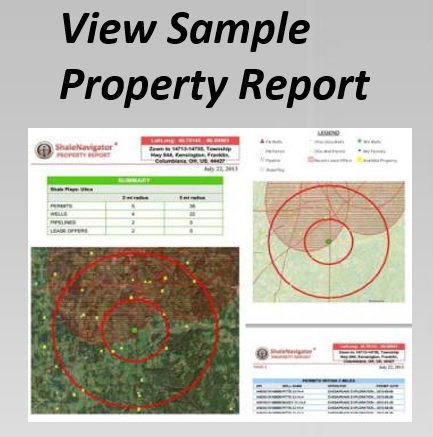
A practical review should begin with the map, move to the well records, and finish with ownership and commercial checks. Shale Navigator’s interactive layers can help users see those relationships across permits, leases, wells, pipelines, and property data before deciding which locations deserve deeper technical or legal analysis.
Use a seven-day Shale Navigator account to examine abandoned and active wells across the US shale plays, compare their surrounding infrastructure and permits, and identify whether a high abandonment rate signals depleted potential or overlooked opportunity.