


What Realtors Should Verify Before Listing Oil and Gas Property
Selling a property connected to oil and gas activity requires more than checking square footage, school districts, and recent comparable sales. A lease can affect ownership, income, access, surface use, disclosure obligations, financing, and a buyer’s long-term plans. Realtors who identify these issues early can market the property accurately and avoid preventable disputes.
The first step is to determine exactly what is being sold. A residential or commercial property may include the surface estate while mineral rights, royalty interests, or development rights belong to someone else. The property may also be subject to an active lease signed years before the current owner purchased it.
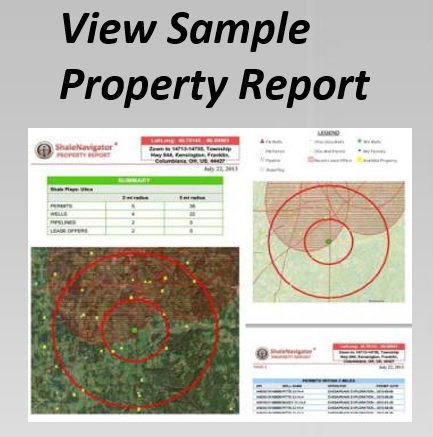
A careful review should combine recorded documents, owner interviews, county records, operational data, and a realistic understanding of local development. Mapping tools such as Shale Navigator can help agents organize this information before creating a listing description or advising on price.
Confirm the ownership and lease documents
Ask the seller for every document related to oil and gas interests, including leases, amendments, assignments, memoranda of lease, royalty statements, division orders, easements, pooling notices, and prior title reports. A single lease may have been transferred between operators, amended several times, or divided among multiple owners.
The listing agent should distinguish between the surface estate, mineral estate, royalty interest, working interest, and overriding royalty interest. These terms describe different rights and financial obligations. A seller may own the land but have no right to negotiate drilling activity, or may retain royalty income while transferring other interests.
Recorded documents are essential because informal explanations can leave out restrictions and exceptions. A title company or qualified oil and gas attorney should review unclear provisions. Realtors should avoid interpreting legal language beyond their role, especially when the lease affects access, surface use, production payments, or future development.
Locate wells, permits, and surrounding activity
A property’s risk profile depends partly on what is happening nearby. Check producing wells, inactive wells, plugged wells, permitted locations, gathering systems, compressor stations, processing facilities, and planned infrastructure. Distance from a well pad alone may not reveal the full impact; roads, pipelines, tank batteries, and access routes can cross or approach the property from another direction.
The wells map can help agents identify nearby well activity and establish an initial geographic picture. Use that information as a starting point, then verify important findings with county records, state regulatory databases, surveys, and the operator.
Also examine whether permits have been issued but development has not started. An undeveloped tract may appear quiet during a showing while still carrying future activity potential. Conversely, an older producing well may have declining output, limited remaining obligations, or a history of compliance issues that changes how buyers evaluate the property.
Evaluate access, surface use, and physical impacts
An oil and gas lease can grant rights to enter the land, build roads, install equipment, lay pipelines, conduct surveys, and use water or other resources. The precise language matters. Some agreements limit activity to a defined area, while others provide broad rights across the leased premises.
Inspect the property for well pads, access roads, gates, pipelines, utility corridors, tanks, signs, fencing, erosion, noise sources, and abandoned equipment. Review surveys and easement documents to determine whether visible features match the recorded rights. A buyer may accept a producing well but object to a proposed road through a driveway, pasture, or future building site.
Environmental and safety questions deserve careful attention. Look for stormwater controls, surface damage, previous spills, methane-related concerns, reclamation obligations, and restrictions on building near infrastructure. The agent should not make technical assurances; instead, identify issues that warrant review by inspectors, environmental professionals, engineers, or attorneys.
Separate current income from future expectations
Royalty payments can make a property attractive, but the income may fluctuate with production volumes, commodity prices, deductions, ownership percentages, and well performance. Request several months or years of statements when available, and determine whether payments relate to the property being sold or to a separate mineral interest.
A seller’s estimate of “future drilling value” should not be treated as guaranteed revenue. A lease may permit development without requiring the operator to drill immediately, and a permit does not necessarily mean a well will be completed. Buyers and lenders may apply different assumptions to proven income, undeveloped potential, and speculative upside.
The economics of production also depend on transportation and market access. A useful overview of shale gas economics can help realtors explain why wellhead prices, gathering fees, processing, pipeline capacity, and deductions influence the value of lease-related income. This context is especially helpful when a seller compares a property’s royalty checks with older payment records or nearby listings.
| Item to verify | Why it matters to the listing | Useful evidence |
|---|---|---|
| Lease status | Shows whether rights are active, expired, assigned, or held by production | Lease, amendments, recorded memorandum |
| Mineral ownership | Determines whether the seller can transfer mineral or royalty interests | Title report, deed, conveyance documents |
| Current payments | Helps distinguish reliable income from assumptions | Royalty statements, division orders, payment history |
| Wells and permits | Indicates existing and potential operational activity | State records, operator data, mapping research |
| Surface rights | Identifies roads, pads, pipelines, and access obligations | Surveys, easements, site inspection |
| Environmental conditions | Flags issues that may affect value, financing, or disclosure | Inspection reports, remediation records, agency files |
| Future obligations | May affect the buyer after closing | Plugging, reclamation, water, access, or maintenance terms |
Plan disclosures and buyer communication
Disclosure rules vary by state and transaction type, but material facts should never be concealed. A nearby well pad, pipeline easement, active lease, royalty stream, surface-use agreement, or planned development may influence a reasonable buyer’s decision. Provide relevant documents through an organized disclosure package rather than relying on vague language in the listing.
Use precise wording. “Mineral rights convey” is different from “property is subject to an oil and gas lease,” and “royalties may transfer” is different from “income included.” If the seller is retaining royalties, state that clearly. If the buyer will assume obligations or accept an existing easement, identify those facts before contract negotiations.
Buyers may also ask whether drilling is permitted, whether a lease can be renewed, whether production is guaranteed, or whether the operator has plans for the property. Realtors should document the source and date of answers, avoid predicting operator decisions, and direct legal, tax, engineering, and environmental questions to appropriate professionals.
Price the property with the right comparisons
Conventional comparable sales may not capture the effect of lease income or surface constraints. Compare properties with similar ownership structures, development intensity, acreage, improvements, access conditions, and royalty characteristics. A house with no mineral rights should not automatically be used as the primary benchmark for a property selling with valuable royalty income.
Consider separate valuation scenarios: surface estate only, surface estate with current royalty income, and surface estate with additional development potential. Then account for uncertainty, production decline, market conditions, infrastructure, and buyer demand. A strong income stream may increase value, while visible industrial activity or restrictions on future construction may reduce it.
Ask the seller to clarify what will convey at closing and what will be reserved. The purchase contract, deed, title commitment, and lease documents must align. If the transaction involves a separate sale of minerals or royalties, coordinate early with the title company and relevant advisers so the marketing does not promise rights that cannot be delivered.
Prepare a reliable due diligence file
Before publishing the listing, assemble a concise file that lets buyers and their representatives verify the important facts. Keep copies of documents, maps, payment records, inspection findings, operator correspondence, and explanations of known encumbrances. Date each item and identify whether it came from the seller, a public agency, a title professional, or a mapping platform.
Prioritize these checks before setting a price or accepting an offer:
- Confirm who owns the surface, minerals, royalties, and related lease interests.
- Map producing wells, permits, pipelines, access roads, and nearby facilities.
- Review lease terms for surface use, pooling, access, payments, renewal, and termination.
- Verify royalty history, deductions, production trends, and the interests included in the sale.
- Disclose material activity and refer legal, environmental, title, and tax questions to qualified professionals.
A well-organized file supports faster answers and gives buyers confidence that the property has been evaluated carefully. It also helps the listing agent distinguish verified facts from seller expectations, an important difference when oil and gas development is part of the property’s appeal.
Build a defensible listing file
Oil and gas leases should be treated as a central property feature, not a footnote added after the listing is live. The strongest marketing materials explain what rights convey, what activity exists, what income has been documented, and what uncertainties remain. Clear information attracts better-qualified buyers and reduces late-stage renegotiation.
Before going to market, use a mapping and reporting resource such as Shale Navigator to organize property data, then confirm material findings through title professionals, public records, operators, and qualified advisers. Start a seven-day account to research the property’s surrounding development and build a fact-based listing file before presenting it to buyers.