


What Attorneys Need To Know About Title Opinions In Shale Plays
Title opinions are central to responsible oil and gas development because they identify who can lease, convey, mortgage, or otherwise affect mineral interests. In shale plays, however, the review often extends across multiple counties, overlapping formations, historic severances, pooled units, and rapidly changing development plans.
The attorney’s task is more than confirming that a grantor appears in the latest deed. Counsel must connect the surface estate, mineral estate, leasehold rights, royalty interests, executive rights, production payments, and recorded burdens to a specific tract and a specific legal description. A defensible opinion should make clear what was examined, what remains uncertain, and which curative instruments are required.
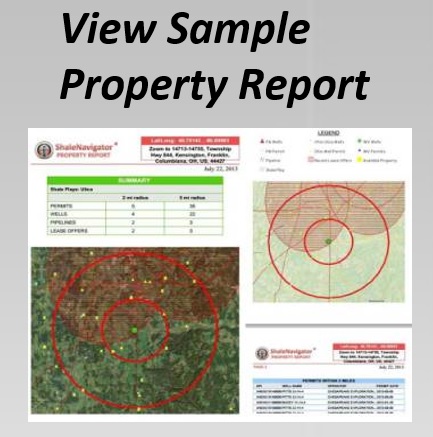
Digital research tools can make that process more efficient when they are used as supplements to the county records and other authoritative sources. Mapping shale plays, permits, pipelines, lease offers, mineral availability, and property boundaries can help counsel identify issues early, prioritize title work, and explain development context to clients.
What A Title Opinion Must Establish
A title opinion generally states the ownership and status of an oil and gas interest as of a specified effective date. Depending on the assignment, it may cover fee title, the mineral estate, the leasehold estate, or a combination of interests. The opinion should identify the relevant tract, the applicable leases, the working interest owners, royalty owners, overriding royalty interests, and any material encumbrances.
The legal description deserves particular attention. Shale projects frequently rely on descriptions that combine surveys, abstracts, governmental lots, metes and bounds, and older deed references. A mismatch between a lease description and the tract used for permitting or division-order purposes can create a significant business problem even when the parties appear to have agreed on the same property.
Counsel should also define the purpose and limits of the opinion. A drilling title opinion, acquisition title opinion, division-order title opinion, and lender’s title opinion may require different levels of detail. Stating assumptions, reliance materials, and excluded matters prevents the document from being read more broadly than intended.
Why Shale Plays Require A Different Lens
Shale development is often organized around large contiguous acreage positions rather than isolated conventional wells. Operators may assemble leases from dozens or hundreds of owners, then develop horizontal wells that cross unit boundaries or produce from several tracts. This makes small errors in ownership percentages, depth limitations, or lease terms capable of affecting an entire development program.
The geology also matters to the legal analysis. A lease may cover all minerals, a named formation, or specific depths. Older instruments may use broad language that predates modern horizontal drilling, while newer leases may contain Pugh clauses, depth severances, continuous-development provisions, or retained-acreage clauses. Counsel must determine whether the lease supports the proposed well configuration and development schedule.
For regional context, attorneys reviewing Texas assets may benefit from a resource such as this Barnett Shale overview. Geological history does not replace title evidence, but understanding the play can help counsel recognize why certain formations, spacing patterns, infrastructure corridors, or legacy leases appear in the file.
Tracing The Mineral And Leasehold Chain
The search should begin with the current record owner and proceed backward through deeds, reservations, conveyances, probate records, judicial proceedings, tax documents, and entity filings as appropriate. Mineral reservations are especially important because a deed that conveys the surface may reserve oil, gas, or other minerals to a prior owner. Those reserved interests can later be divided among heirs or assigned to investors.
A complete chain also tracks nonpossessory interests. Royalty reservations, nonparticipating royalty interests, overriding royalties, production payments, farmout rights, options, preferential purchase rights, and depth restrictions may not prevent a lease from being granted, but they can change the economics and required joinder. An opinion should distinguish between title defects that prevent operations and burdens that merely affect proceeds.
Lease review should be tied to the development plan. Attorneys should verify the primary term, extension rights, shut-in provisions, production clauses, pooling authority, unit-size limits, commencement requirements, surface-use provisions, and release obligations. A lease can be valid yet commercially inadequate for the intended shale program if its pooling or depth language is too narrow.
Using Mapping Data Without Overstating Evidence
GIS and property data are useful for organizing a title project, especially when the acreage spans multiple jurisdictions. A map can reveal that a proposed unit overlaps a tract with a different ownership pattern, a nearby permit suggests an unrecognized leasehold issue, or a pipeline corridor may create an easement concern. These observations help attorneys decide where to focus primary-record research.
The key distinction is between research intelligence and evidence of title. A mapped parcel boundary may be generalized, a permit may reflect an applicant’s claim rather than ownership, and a lease-offer layer may show market activity without proving execution or recording. Each item should be verified against the instrument, agency record, or county source on which legal reliance will rest.
| Review Item | What Mapping Data Can Show | What Counsel Must Verify |
|---|---|---|
| Parcel boundaries | Approximate tract location and adjacency | Survey, deed description, and county plat |
| Drilling permits | Proposed well location, operator, and timing | Permit file, lease authority, and unit designation |
| Lease offers | Potential leasing activity in an area | Executed lease, recording data, and exact acreage |
| Mineral availability | Areas identified for potential acquisition | Chain of title, reservations, and outstanding interests |
| Pipelines and infrastructure | Possible easements or operational constraints | Recorded easement, route, parties, and terms |
Used properly, spatial data can support issue spotting, tract prioritization, and client communication. It should not be cited as a substitute for a certified abstract, courthouse records, survey work, or a title commitment.
Resolving Common Exceptions
Unreleased liens and mortgages are frequent exceptions in oil and gas title work. A mortgage may cover minerals even when the deed of trust description is broad or the instrument predates the current lease. Counsel should determine whether the lien was released, subordinated, foreclosed, or otherwise addressed before treating the leasehold as unencumbered.
Probate and heirship problems can be equally consequential. An owner may have died intestate, left an unrecorded will, or transferred interests through an estate that was never properly administered. Affidavits of heirship may help establish a record history, but their sufficiency depends on jurisdiction, timing, notice, and the facts available.
Pooling and unitization create another layer of risk. The opinion should identify whether each tract is validly included, whether the operator holds the necessary pooling authority, and whether unleased owners or dissenting interest holders create statutory or contractual obligations. Conflicts between lease pooling clauses and regulatory spacing orders should receive specific treatment rather than a general exception.
Building An Efficient Review Process
A disciplined workflow reduces repeated searching and makes later updates easier. Begin by dividing the project into tract-level files, then create a common ownership matrix showing legal descriptions, surface owners, mineral owners, leases, burdens, effective dates, and unresolved requirements. Assign each instrument a source, recording reference, and relevance to the proposed development.
Attorneys can use the Shale Navigator team and similar research resources to organize regional information before committing time to intensive courthouse review. The goal is to combine visual screening with document-level verification, not to replace professional judgment with an automated result.
Version control matters when title opinions are updated after assignments, curative filings, pooling elections, or new production. Preserve the effective date, search period, assumptions, and prior conclusions. When a defect is cured, identify the instrument that resolved it and explain whether the cure affects all tracts or only a defined interest.
Practical Review Priorities
A strong shale title opinion should be concise enough for operations and detailed enough for later audit. It should separate confirmed ownership from assumptions and clearly identify the person responsible for each curative action.
- Match every lease and conveyance to the correct survey, abstract, lot, or metes-and-bounds description.
- Trace reserved minerals and royalty interests through every relevant conveyance, probate event, and assignment.
- Test lease terms against the proposed unit, target formation, horizontal length, pooling plan, and development schedule.
- Treat maps, permits, and property databases as issue-spotting tools until primary records confirm the facts.
- List curative requirements with responsible parties, filing details, deadlines, and the consequences of noncompletion.
The best opinion is practical as well as legally sound. It tells the operator whether it can proceed, the investor what interest is actually being acquired, and the landowner which rights remain available for negotiation. It also gives future counsel a reliable record for title updates, refinancing, acquisitions, and regulatory filings.
Start with a tract map and a clearly defined effective date, then use Shale Navigator’s available data to prioritize the records that deserve close legal review. A free seven-day account can help attorneys evaluate the platform’s shale-play layers and property research tools before incorporating them into a broader title workflow.