


Understanding Pugh Clauses and Continuous Development Clauses
Oil and gas leases are notoriously dense, and two of the most misunderstood provisions inside them are Pugh clauses and continuous development clauses. Both speak to the same worry: what happens to acreage the operator is not actively producing? The choice between them can quietly decide whether thousands of hectares stay tied up for decades or fall back to the mineral owner.
For readers sitting in Sydney, Perth, or Brisbane boardrooms, the U.S. context still matters. Australian investors often participate in American shale plays through ASX-listed juniors, joint ventures, or direct mineral acquisition funds, and the language used in those leases travels across the Pacific. Grasping how these two clauses work, and where they diverge, is essential for anyone evaluating lease packages, royalty streams, or available acreage in the United States.
What a Pugh Clause Actually Does
A Pugh clause is a partial release provision. It says that once the lessee forms a producing unit, a pooled block of acreage treated as a single drilling and production entity under the lease, every parcel not included inside that unit is automatically released back to the mineral owner. The clause traces back to the 1965 Oklahoma case Pugh v. Faircloth, which confirmed that lessors could bargain for such relief.
Without a Pugh clause, an operator can drill one productive well on a small slice of a much larger lease, hold the entire block through continuous operations, and lock the landowner out of negotiations with competitors for decades. With a well-drafted Pugh clause, the unproductive corners of the lease come back into circulation once production is established from the unit.
The specifics vary. Some clauses release everything outside the unit immediately upon formation. Others defer release until a fixed date or a minimum volume. The triggering language around "upon completion," "after cessation of production," or "thereafter" is where most disputes arise.
How Continuous Development Clauses Function
A continuous development clause takes a different approach. Rather than carving out released parcels at one moment in time, it requires the lessee to keep drilling or developing the lease on an ongoing basis to keep it alive past its primary term. If drilling stops for too long, the lease terminates outright.
The clause is usually expressed in units of activity: one well per section per year, or a defined number of wells across the leased area within a rolling twelve-month window. Many such clauses allow the lessee to make delay rental payments in lieu of drilling, turning the development obligation into a financial one. Others permit a short shut-in period during which the well is offline but the lease remains in force.
Lessees like the optionality. The operator keeps the entire lease in play while deciding where and when to invest in new drilling. Lessors tend to resist because the obligation can be satisfied with minimal activity, leaving large portions technically held but functionally dormant.
Comparing Trigger Mechanisms and Timing
The clearest way to separate the two clauses is by the moment they activate. A Pugh clause generally triggers on a single, identifiable event, usually unit formation or the cessation of production from that unit. Continuous development clauses trigger repeatedly, across the full life of the lease, every time a rolling deadline passes without action.
Timing language matters. Pugh clauses often include grace periods so release happens six or twelve months after the unit forms, giving the lessee time to plan. Continuous development clauses similarly allow short cure periods after a missed well deadline, typically thirty to ninety days, which can be consumed by weather, rig availability, or permitting delays.
The two clauses also interact. A lease may include both: a Pugh clause releasing non-unit acreage, plus a continuous development clause requiring ongoing drilling on the retained unit. Reading them in isolation misses how the operator's obligations shift once the unit forms and the surrounding lands revert to the mineral owner. For anyone mapping that risk across a basin, the available mineral rights data layer shows which parcels have actually been released and which remain encumbered.
Australian Operators and the Local Lease Landscape
Although these clauses are U.S. instruments, Australians engage with them constantly. ASX-listed companies with U.S. acreage portfolios, many headquartered in Perth, Melbourne, or Brisbane, review Pugh and continuous development language as part of routine due diligence. Names like Santos and Woodside, alongside a long tail of smaller explorers, hold interests in U.S. basins while running domestic assets in the Cooper Basin, the Browse Basin, and the LNG precinct around Gladstone.
Australian investors also encounter these clauses when acquiring royalty interests through U.S. brokers. The Queensland Petroleum and Gas Act 2004 and Western Australia's Petroleum and Geothermal Energy Resources Act 1967 govern domestic acreage but do not extend to U.S. leaseholds, so the underlying American instrument always controls.
Native Title considerations add another wrinkle. While U.S. reservations and Native American mineral interests are governed by federal Indian law rather than the Native Title Act 1993 (Cth), the conceptual parallels, communal land, multi-party consent, sovereign-to-sovereign dealings, make Australian landmen particularly attentive to who must sign a release when a Pugh clause is triggered.
Negotiating These Provisions During Lease Drafting
For lessors, the goal is to keep the release trigger short, the carve-outs narrow, and the cure periods minimal. Strong Pugh language releases non-unit acreage immediately upon formation, without waiting for production to cease, and excludes "halo" or "excess" lands the operator wants to keep tied up. Lessors should also push back on continuous development clauses that allow delay rental payments as a permanent substitute for drilling.
For lessees, the negotiation runs the other way. Operators typically want the Pugh clause deferred until after commercial production, want the right to recomplete or deepen existing wells in lieu of new drilling, and want the longest cure periods they can get. Both sides should expect compromise and insist on defined terms such as "well," "unit," "production," and "cessation" being spelled out.
Pooling and unitization language should be read alongside these provisions. A broad pooling clause can shrink the producing unit to a single forty-acre tract, which under a tight Pugh clause could release most of the leased block. A narrow pooling clause combined with a continuous development obligation can leave the operator drilling more wells than the economics support, particularly in dense basins like the Bakken or the Permian.
Common Pitfalls and Practical Reading Tips
The single most common pitfall is treating "from time to time" and "once at any time" as interchangeable. The first suggests ongoing activity, fitting a continuous development clause; the second suggests a single event, fitting a Pugh clause. Conflating them has reversed the intended outcome of countless leases.
A second pitfall is overlooking how Pugh releases interact with shut-in royalty provisions. A lease may allow production to be paused for a fixed period without triggering release, and the lessee may argue the shut-in clock tolls the Pugh clause. Clean drafting makes clear that shut-in rights are separate from and do not extend the unit-formation release.
Reviewers also miss the "thereafter" trap. The word "thereafter" in Pugh language has been litigated repeatedly, so safer wording for lessors specifies immediate release upon unit formation and an explicit end to any obligation to keep releasing lands in stages.
A final habit worth adopting: pull the recorded lease and the unit declaration for any producing well on the parcel before relying on broker representations. Operators and brokers sometimes describe acreage as "held by production" when a Pugh clause has already released most of the block, or when a continuous development deadline has lapsed unnoticed.
Habits Worth Building Before Signing
- Pull the recorded lease and any unit declaration before relying on a broker's "held by production" description.
- Distinguish "from time to time" language (ongoing obligation) from "once at any time" language (single event).
- Cross-check Pugh release language against the lease's pooling clause to see how much acreage could actually be carved out.
- Confirm whether delay rental payments are an indefinite substitute for drilling, or only a temporary alternative.
- Look for "thereafter" and "upon cessation" phrasing and ask whether the parties meant tolling or immediate release.
- Review shut-in royalty provisions separately, because they interact with Pugh and continuous development clauses in ways that are easy to miss.
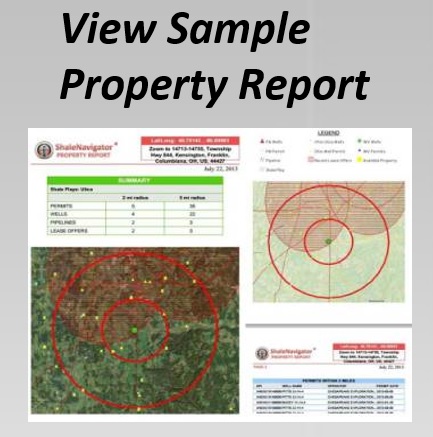
Operators, mineral-rights investors, and land professionals reviewing U.S. shale positions can speed up the work by using mapping tools that show lease offers, permits, and available acreage in one place. The team behind Shale Navigator built exactly that kind of layer, and prospective users can open a free seven-day account to test the platform before committing to a subscription. Once logged in, the same dashboard pulls in producing-well records, permit activity, and lease offers across the Lower 48.