


Paid-Up And Delay Rental Oil And Gas Leases Explained
Oil and gas leases determine how a mineral owner is compensated and how long an operator can preserve its rights. Two common structures are paid-up leases and delay rental leases. Although both grant exploration and production rights, they place different obligations on the lessee after the initial lease payment.
The distinction matters when reviewing a proposed lease, evaluating an existing mineral interest, or estimating the risk attached to an acreage position. A lease that appears financially attractive at signing may have very different long-term economics depending on its delay rental clause, habendum clause, shut-in terms, and production requirements.
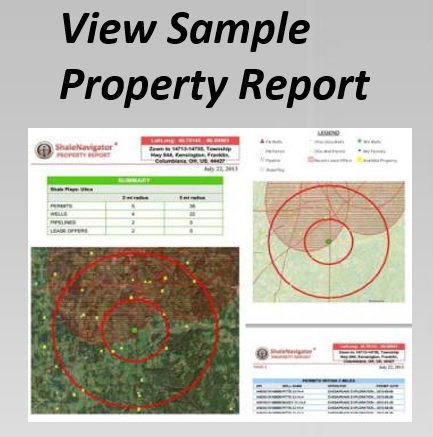
These provisions also affect title research, due diligence, and negotiations. Mapping nearby permits, wells, pipelines, and competing lease activity through a platform such as Shale Navigator can help place a lease in its broader development context. Still, the controlling answer will always come from the signed instrument and the law governing the property.
How paid-up leases work
A paid-up lease requires the lessee to pay the agreed bonus consideration at the beginning of the primary term. The lease usually states that the bonus covers the right to maintain the lease for the entire primary term without additional annual delay rental payments. If the primary term is three years, for example, the lessee may not need to make another payment simply to keep the lease alive during those three years.
This structure is common in modern shale development because operators often assemble large blocks of acreage before drilling. The upfront payment gives the mineral owner immediate compensation while giving the operator time to obtain permits, build gathering infrastructure, negotiate pooling arrangements, and determine whether the acreage fits its development plan.
“Paid-up” does not mean the lease is guaranteed to remain effective under every circumstance. Production, operations, cessation-of-production clauses, continuous-development provisions, shut-in royalty clauses, and other conditions can still affect the lease. A paid-up lease may also terminate if the lessee fails to satisfy a separate obligation stated in the document.
How delay rental leases operate
A delay rental lease typically includes an initial bonus payment plus recurring payments due on or before specified anniversary dates during the primary term. These annual payments compensate the mineral owner while the lessee delays drilling or production. The lease may state a per-acre rental rate, a fixed annual amount, or a formula tied to the leased acreage.
The key risk is missed payment. If a delay rental is not paid properly and on time, the lease may terminate automatically, unless the instrument provides a grace period, notice-and-cure procedure, or another remedy. Payment may also need to be made to the correct party and delivered in the manner specified by the lease.
Because of this timing requirement, owners should preserve payment records, notices, envelopes, electronic confirmations, and correspondence. Lessees should maintain a reliable calendar and confirm ownership, address, and payment instructions before each anniversary date. Assignment activity can complicate these duties, particularly when several companies have held or transferred interests in the same lease.
For additional title diligence, reviewing lease assignment history can help identify changes in ownership and potential gaps between the original lessee and the current operator. County records and the lease itself remain essential, since a mapping or reporting tool should support rather than replace document review.
The financial and legal differences
The most visible difference is the timing of compensation. A paid-up lease generally delivers more money at signing and eliminates annual delay rental checks during the primary term. A delay rental lease may provide a smaller initial bonus but create additional payment opportunities if the lessee elects to hold the acreage without drilling.
For a mineral owner, a paid-up arrangement offers certainty and simplicity, but it may produce less total compensation if the operator holds the lease for several years without developing it. A delay rental structure can provide recurring income, although the owner must monitor deadlines and the lessee can often allow the lease to expire by withholding a rental payment.
| Lease feature | Paid-up lease | Delay rental lease |
|---|---|---|
| Initial compensation | Usually includes the full primary-term consideration | Includes a bonus, often with future rentals |
| Annual rental payment | Generally not required during the primary term | Usually required before each stated anniversary |
| Main owner concern | Understanding production, extension, and termination clauses | Tracking payment deadlines and payment validity |
| Main lessee concern | Preserving the lease through other stated obligations | Making timely and correctly directed rental payments |
| Development flexibility | High during the primary term | High if rentals are paid as required |
| Termination risk | Arises from breach or failure to meet lease conditions | Includes the added risk of missed delay rentals |
The lease language can alter this general comparison. Some instruments combine features of both structures, include extension payments, or require continuous drilling after the initial term. A lease may also contain an “unless” clause, a “thereafter” clause, or a detailed payment provision that changes how a missed rental is treated.
Clauses that deserve close review
The primary term states how long the lessee may hold the lease before production or another savings provision becomes necessary. The secondary term, often expressed through a habendum clause, can continue the lease for as long as oil or gas is produced in paying quantities. Owners and investors should examine how production is defined and whether temporary interruptions are addressed.
A cessation-of-production clause may give the lessee a limited period to resume production after a well stops producing. A shut-in royalty clause may preserve the lease when a capable well is not producing because of pipeline delays, market conditions, or the lack of a suitable connection. These provisions can be especially important in emerging shale plays where infrastructure develops in stages.
Pooling and unitization language also affects the practical value of a lease. An operator may be able to combine separate tracts into a drilling or production unit, allowing a well located elsewhere to maintain the lease over a larger area. The permitted unit size, allocation method, and notice requirements should be reviewed carefully.
Geography provides useful context for these provisions. For example, Utica Shale counties and recent permit activity may reveal whether a lease sits near active development, while a less-developed area may require a longer holding period before infrastructure supports drilling.
Due diligence for owners and investors
A lease review should begin with the recorded instrument, amendments, memoranda, assignments, releases, and applicable probate or conveyance documents. Confirm the legal description, net mineral acres, royalty percentage, bonus amount, primary term, rental provisions, and the identity of every party with an interest.
Next, compare the lease terms with external development evidence. Nearby permits, producing wells, pipeline routes, processing facilities, and available mineral rights can indicate whether the operator has a realistic path to development. Shale Navigator’s map layers can assist with this research by bringing property and energy infrastructure data into a single working view.
Development patterns vary sharply by basin. A lease in an active corridor may be more likely to move from primary-term holding to drilling, while acreage in a less familiar region may remain subject to strategic delays. Research on Paradox Basin mapping illustrates why basin-level context matters when interpreting lease activity and apparent inactivity.
Owners should also verify whether the lease has been amended, partially released, pooled, or assigned. Investors buying an overriding royalty, nonparticipating royalty, or mineral interest need to distinguish the original lease terms from later transactions. A title professional or oil and gas attorney can help resolve ambiguities involving payment sufficiency, notice, ratification, or lease continuation.
Practical steps before signing or buying
A careful process can reduce misunderstandings without assuming that every lease follows the same template. Focus on the provisions that determine both immediate compensation and the conditions for keeping the lease alive.
- Confirm whether the lease is expressly paid-up or requires annual delay rentals.
- Record every payment date, amount, payee, delivery method, and grace-period provision.
- Review the primary term, habendum clause, shut-in language, and cessation-of-production rules together.
- Check pooling, unitization, continuous-development, extension, and partial-release provisions.
- Compare the lease with recorded assignments, permits, wells, pipelines, and current ownership data.
For mineral owners, negotiation may involve trading a higher bonus for a stronger royalty, shorter primary term, narrower pooling authority, or clearer release obligations. For operators, a well-drafted lease can preserve flexibility while reducing disputes over payment, notice, and development timelines.
The best choice depends on the parties’ objectives and the property’s development prospects. A paid-up lease may suit an owner who values immediate cash and a lessee that needs time to plan. A delay rental lease may better suit an owner seeking recurring compensation or an operator that wants to preserve acreage only while it remains commercially promising.
Use Shale Navigator to examine the surrounding permits, wells, infrastructure, ownership records, and basin activity before assigning value to a lease. A free seven-day account provides an opportunity to explore the platform’s mapping and reporting tools, while professional users can apply broader subscription data to support acquisition, negotiation, and ongoing lease management.