


Reclamation Bonds In Shale Property Transfers
A shale property can look attractive on a map while carrying substantial obligations beneath the purchase price. Drilling permits, mineral leases, production histories and pipeline access may draw attention first, yet the eventual cost of plugging wells and restoring disturbed land can materially change the value of an asset.
Reclamation bonds are designed to protect regulators, landowners and the public when an operator fails to complete closure work. In the United States, these financial assurances may cover plugging and abandonment, removal of equipment, soil restoration, erosion control, road repair and other site obligations attached to oil and gas operations.
When a leasehold, mineral interest or producing property changes hands, the bond does not automatically make every liability disappear. The incoming party must determine which obligations transfer, whether the regulator will accept a new bond, and whether the seller remains responsible for historical damage or unpaid fees.
That issue matters to Australian investors and professional advisers assessing US shale opportunities from Sydney, Brisbane, Perth or Melbourne. The legal system, regulatory agencies and land-title conventions differ from Australia, so a familiar commercial assumption can create an expensive gap in the transaction documents.
Why Financial Assurance Matters
A reclamation bond is usually a guarantee that funds will be available if the responsible operator does not perform required restoration. Depending on the state and the project, it may be issued by a surety company, supported by cash, secured through a letter of credit or backed by other approved collateral.
The bond amount may be calculated per well, by lease, by field or across a broader portfolio. It may also be lower than the true cost of remediation. A bond is therefore a regulatory safeguard rather than a complete valuation of environmental exposure. Buyers should model the likely closure cost independently instead of treating the bond limit as a reliable estimate.
The distinction is especially important where wells are mature, marginal or temporarily inactive. A property producing modest revenue may still require substantial expenditure for plugging, tank removal, contaminated-soil treatment and surface rehabilitation. The timing of those costs can be difficult to predict, especially when commodity prices move sharply.
What Changes When Ownership Changes
A transfer may involve an assignment of an oil and gas lease, a sale of mineral rights, an asset purchase agreement, a corporate acquisition or a conveyance of surface property. Each structure can allocate responsibility differently. The party acquiring an operating interest may inherit regulatory duties even when the contract attempts to preserve an indemnity from the seller.
State agencies commonly require notice of a transfer and may demand evidence that the new operator has sufficient financial assurance. Some regulators will not release the outgoing operator until the replacement bond is approved. Others may assess the financial strength of the incoming entity, review its compliance history or require additional security.
Private contractual language remains important, but it cannot always override a regulator’s statutory powers. A seller’s promise to reimburse plugging costs may provide a path to recovery, yet it does not necessarily prevent the agency from pursuing the current operator. The transfer documents should therefore distinguish clearly between regulatory responsibility, economic allocation and practical control.
Reading The Financial Exposure
Buyers should review every well file rather than relying on a portfolio summary. The review can identify inactive wells, expired permits, prior notices of violation, outstanding inspection findings and sites where the required bond is below a credible closure estimate. Production decline curves can help show which wells may become liabilities sooner than expected.
The purchase price should also be tested against lease terms and local market evidence. Research using property data insights can help advisers compare ownership records, surrounding activity and negotiating conditions before accepting a seller’s assumptions about value.
Important financial questions include whether the seller has posted collateral that will be released at closing, whether the buyer must replace a letter of credit, and whether unpaid surface damages or county charges remain outstanding. Currency conversion adds another layer for Australian participants: a US-dollar reclamation estimate can become significantly larger in Australian-dollar terms when exchange rates move.
Mapping The Liability Across A Portfolio
A map-based review can connect wells and leases with property boundaries, permits, pipelines, access roads and nearby land uses. This helps identify whether a single transfer includes scattered obligations across several counties or states, each with different bonding rules and closure standards.
Spatial context also reveals risks that may be missed in a spreadsheet. A well pad near a residence, wetland, school or municipal water source may face greater restoration scrutiny than an isolated rural site. Reviewing school districts alongside mineral-rights records through a school-boundary checklist can support a broader assessment of community sensitivity and future land-use constraints.
For Australian analysts, this kind of map-based diligence resembles examining overlapping interests in a mining or infrastructure corridor, but the legal consequences are different. A Queensland landholder’s expectations around access and rehabilitation cannot simply be applied to a Texas or Pennsylvania shale asset. The map is a starting point for state-specific legal and environmental review, not a substitute for it.
Contract Terms That Protect The Buyer
The asset purchase agreement should identify each well, lease, permit, surface-use agreement and bond associated with the transaction. Schedules should record the bond type, amount, issuing institution, collateral arrangements, renewal dates and regulatory approval status. Missing or vague schedules can make it difficult to prove that a particular liability was excluded.
Indemnities should address pre-closing contamination, past spills, plugging obligations arising from prior operations, regulatory penalties and claims by landowners. Buyers may seek escrow funds, holdbacks or a parent guarantee where the seller’s post-closing creditworthiness is uncertain. Survival periods also deserve attention because environmental problems may be discovered years after closing.
The agreement should state who pays for any increase in bond requirements after completion. It should also cover the consequences if a regulator rejects the buyer’s replacement security, demands supplementary collateral or refuses to release the seller. These provisions turn a general environmental promise into an operational process with deadlines and evidence requirements.
Australian Buyers Need A Cross-Border Lens
An Australian purchaser may be familiar with rehabilitation security in mining or with land dealings governed by Torrens title, but US shale transfers involve separate mineral, surface, leasehold and regulatory interests. A title search may therefore answer only part of the question. County records, state agency databases, lease files and operator reports may all be needed to establish the real position.
Local commercial habits matter as well. An investor based in Perth may be comfortable assessing restoration liabilities in a resources portfolio, while a family office in Sydney may focus more heavily on yield and currency risk. A Brisbane-based buyer considering US gas assets should also recognise that land access, agricultural use and community expectations around drilling vary considerably between US jurisdictions.
Tax and transaction advice should be coordinated early. GST treatment in Australia does not determine US sales-tax, withholding or state tax outcomes, and a US-dollar bond may affect funding covenants even when the underlying asset is profitable. Australian lenders may also treat a foreign surety bond or regulatory letter of credit differently from domestic rehabilitation security.
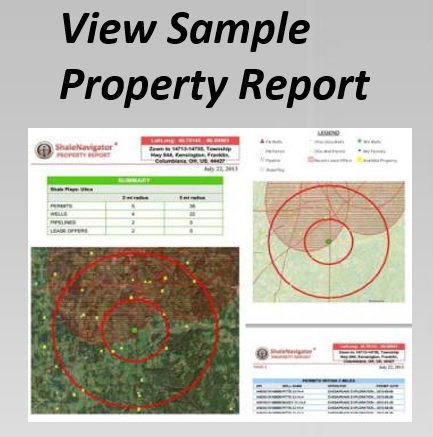
A centralised mapping and reporting platform such as Shale Navigator can help investors organise property, permit and infrastructure information before instructing local counsel. The platform supports a preliminary commercial review; state-qualified lawyers, environmental consultants and title professionals still need to verify the legal effect of the findings.
A Practical Transfer Review
A disciplined review should combine document analysis, regulatory confirmation and site-level evidence. The following checks help establish what is being acquired and what may remain with the seller:
- Match every producing, inactive and abandoned well to its lease, permit and responsible operator.
- Confirm the bond amount, form, issuer, collateral and replacement requirements with the relevant state agency.
- Search for plugging notices, spills, enforcement actions, unpaid fees and unresolved landowner claims.
- Compare the posted security with an independent estimate of plugging and surface-restoration costs.
The transaction team should then convert those findings into closing conditions and post-closing controls. A written checklist can prevent a transfer from proceeding while a bond release, permit assignment or regulatory consent remains unresolved:
- Require regulator approval or documented acceptance of replacement financial assurance.
- Place disputed environmental liabilities under a defined escrow or holdback arrangement.
- Obtain updated title, lease, permit and surface-use schedules immediately before closing.
- Set reporting duties for inactive wells, inspection notices and changes in bonding requirements.
Reclamation bonds should be treated as one component of a wider risk package. They provide evidence that some funds may be available, but they do not prove that the property is fully remediated, that the seller is financially secure or that the buyer has no exposure to historic conduct.
For Australian participants, the safest approach is to combine local commercial discipline with US state-specific diligence. Review the bond, verify the regulator’s position, map the assets and negotiate explicit allocation language before the transfer becomes irreversible. Begin that process with a free seven-day account on Shale Navigator, then use the platform’s property and permit data to build a documented review of the shale portfolio.