


Private Mineral Rights And The Permian’s Growth
The Permian Basin has become one of the most productive oil and natural gas regions in the United States, extending across West Texas and southeastern New Mexico. Its growth is often associated with horizontal drilling, hydraulic fracturing, improved completion designs, and expanding pipeline capacity. Yet the basin’s economic engine also depends on a less visible asset: privately held mineral rights.
Mineral ownership determines who can lease subsurface resources, negotiate royalty terms, approve development plans, and share in production revenue. In a region where ownership may be divided among families, trusts, corporations, investors, and public entities, private mineral rights create a commercial framework that connects landowners with exploration and production companies.
That framework has helped attract capital and accelerate leasing activity, while also creating challenges involving title verification, surface access, drilling schedules, and competing claims. Understanding how private ownership works is essential for anyone evaluating a mineral lease, a royalty interest, a surface property, or a potential development area.
How Private Ownership Supports Development
Private mineral rights give owners the ability to lease subsurface resources to an operator. A typical lease grants the company access to oil and gas formations for a defined term, subject to negotiated conditions such as bonus payments, royalty rates, delay rentals, pooling provisions, and surface-use protections. The operator receives an opportunity to develop the minerals, while the owner retains an economic interest in production.
This arrangement distributes risk between the parties. Exploration and drilling companies fund seismic work, permitting, well construction, completion, operations, and reclamation. Mineral owners contribute access to the resource through a lease rather than financing the full development process. If a well produces commercial quantities, the resulting royalties can support households, local businesses, and reinvestment in additional mineral assets.
Private ownership also allows transactions to occur at different scales. A family may lease a small tract, an investment group may acquire royalty interests across multiple counties, and an energy company may consolidate leasehold positions into a large drilling unit. Those transactions make the basin more flexible and responsive to changes in commodity prices and technology.
Leasing, Royalties, And Investment Incentives
Lease negotiations are central to the relationship between private mineral owners and operators. The headline royalty rate matters, but it is only one part of the economic picture. Clauses governing post-production deductions, minimum royalties, shut-in payments, depth limitations, pooling, continuous development, and release of undeveloped acreage can significantly affect long-term value.
A strong leasing market can encourage operators to assemble contiguous acreage positions that support longer horizontal wells and more efficient pad development. Larger, coherent lease blocks may reduce surface disruption, simplify infrastructure planning, and improve the economics of drilling multiple wells from a single location. Private owners therefore influence development decisions even when they do not control the entire field.
For investors, value depends on more than the presence of a producing well nearby. Ownership records, lease terms, remaining lease life, net mineral acres, historic production, spacing rules, and operator quality all affect expected returns. Research into the leading shale plays can help place Permian opportunities within the wider U.S. mineral-rights market.
A Mixed Ownership Landscape
The Permian is not governed by a single ownership model. Private fee minerals coexist with state trust lands, federal minerals, tribal interests, and severed estates in which surface and subsurface ownership belong to different parties. Each category can involve different leasing procedures, regulatory requirements, payment structures, and development constraints.
Private mineral rights are often fragmented through inheritance. A single tract may have many heirs, some of whom live outside the region or have limited knowledge of the family’s ownership history. Over time, mineral interests can also be divided through conveyances, reservations, probate transfers, and assignments. This fragmentation can delay leasing or complicate the calculation of each owner’s share of production.
| Ownership or interest type | Common decision-maker | Primary commercial effect | Key diligence concern |
|---|---|---|---|
| Private fee minerals | Individual, family, trust, or company | Direct leasing and royalty negotiation | Chain of title and ownership fractions |
| Mineral royalty interest | Investor or prior grantor | Receives revenue without operating control | Lease terms, deductions, and production history |
| State-owned minerals | State land agency | Leasing under public procedures | Competitive bidding and agency rules |
| Federal minerals | Federal land-management agency | Development subject to federal leasing | Permits, environmental review, and federal terms |
| Severed surface and minerals | Separate surface and mineral owners | Requires coordination over access and operations | Surface-use rights and notice obligations |
The table highlights why property data alone is insufficient. A parcel boundary may show where land is located, but it may not reveal who owns the minerals, whether an old reservation applies, or whether a current lease covers the relevant formation. Reliable decisions require title documents, county records, lease instruments, regulatory filings, and production information.
Infrastructure Turns Ownership Into Opportunity
Private minerals become economically useful only when production can reach a market. Gathering systems, processing plants, crude oil pipelines, natural gas pipelines, roads, electricity, water systems, and export connections all influence whether an acreage position can be developed profitably. Infrastructure availability can raise the value of a lease while constraints can reduce drilling activity or increase operating costs.
Midstream companies frequently negotiate easements and right-of-way agreements with private landowners. These agreements may provide one-time payments, recurring compensation, or a combination of both. They can also affect surface use, crop operations, access roads, future construction, and environmental obligations. A mineral owner who also owns the surface may need to evaluate these agreements alongside the oil and gas lease.
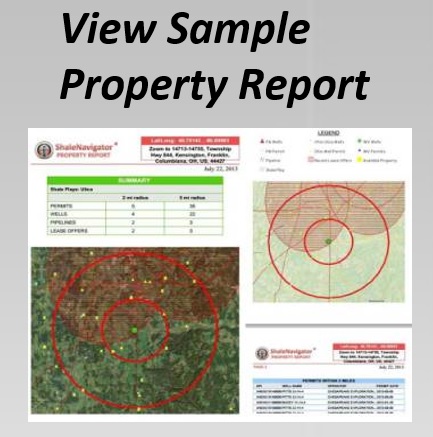
Infrastructure has a geographic effect on mineral-rights investment. Two tracts with similar geology may have different values if one is close to gathering capacity and another faces takeaway limitations. Mapping wells, pipelines, permits, lease offers, and property boundaries together can reveal relationships that are difficult to identify through isolated records.
Data Helps Reduce Ownership Risk
The Permian’s scale makes manual research difficult. A single county may contain thousands of wells, permits, leases, parcels, and pipeline segments. Digital mapping tools can help users compare these layers and identify where private mineral ownership overlaps with active development, infrastructure, or emerging leasing activity.
Well-level information is especially useful for evaluating development momentum. Reviewing Permian well data can help analysts examine nearby drilling, production patterns, operator activity, well status, and the distribution of development across a target area. These indicators do not replace title research, but they can help prioritize which tracts deserve closer examination.
Ownership research should proceed in stages. First, identify the legal description and county records associated with the tract. Next, trace mineral reservations, conveyances, probate documents, leases, amendments, assignments, and releases. Then compare the legal ownership picture with permits, producing wells, spacing or pooling units, and current operator activity. Attorneys and landmen may be needed when title defects, conflicting instruments, or unleased interests appear.
Practical Priorities For Mineral Owners And Investors
Private mineral rights can produce value through leasing, royalties, sales, and participation in a broader development economy. They can also expose owners to uncertain timing, title disputes, regulatory changes, commodity-price cycles, and surface impacts. A disciplined review helps distinguish a promising asset from a parcel that merely appears close to drilling.
Useful priorities include:
- Confirm the exact mineral ownership percentage before evaluating an offer or purchase.
- Review royalty, deduction, pooling, depth, development, and termination provisions in every lease.
- Compare nearby permits and producing wells with pipeline, gathering, and processing access.
- Check whether surface and mineral ownership are separated and identify applicable access rights.
- Use current county, regulatory, production, and mapping records rather than relying on older marketing materials.
Subscription research tools can make recurring analysis more efficient by bringing relevant property and development layers into one workflow. Users evaluating broader coverage or advanced data access can review subscription options before beginning a detailed screening process.
The Permian’s continued growth will depend on geology, technology, infrastructure, regulation, and commodity markets, but private mineral ownership remains a crucial link between resources and investment. Owners who understand their legal position can negotiate with greater confidence, while investors who verify title and development context can assess opportunities more realistically.
Use current maps and ownership intelligence to examine Permian acreage, connect mineral rights with nearby wells and infrastructure, and identify the facts that deserve professional review before money or signatures change hands.