


The Most Common Title Defects in Shale Mineral Deeds
Shale mineral deeds transfer valuable rights beneath a defined tract, but the document itself rarely tells the complete ownership story. A deed may appear properly signed and recorded while earlier conveyances, estate proceedings, leases, or boundary changes leave the mineral interest divided, limited, or impossible to trace with confidence.
Title defects can delay acquisitions, reduce the value of royalty interests, complicate leasing, and create disputes between landowners, operators, and mineral-rights investors. In shale regions, these problems are especially important because a single surface parcel may contain multiple mineral estates, depth severances, production burdens, and historical conveyances.
A reliable review combines county records, probate files, surveys, lease documents, tax information, and current mapping data. The objective is not simply to locate a deed, but to establish who owned the relevant formation or mineral estate at the time of each transfer and whether that interest remains available today.
Breaks in the Chain of Title
The chain of title is the sequence of recorded instruments connecting the original owner to the current mineral-rights holder. A common defect occurs when one deed in that sequence is missing, misindexed, recorded in the wrong county, or executed by someone who did not hold the interest being conveyed.
A gap may arise after a land sale, inheritance, foreclosure, corporate merger, or prior mineral reservation. For example, a landowner may convey the surface and “all minerals,” even though an earlier deed reserved the oil, gas, and other minerals to a third party. The later seller cannot transfer rights already severed from the surface estate.
Names create another frequent problem. Grantors may appear under initials, nicknames, maiden names, spelling variations, or abbreviated corporate names. A search limited to one version of a name can miss relevant instruments. Similar issues arise when an index identifies a family trust, partnership, or limited liability company differently from the entity named in the deed.
Unclear Tract and Formation Descriptions
A mineral deed must identify the land and, in some cases, the specific depths or geological formations being conveyed. Descriptions based on outdated surveys, metes and bounds, section references, patent calls, or acreage estimates can create uncertainty about the exact tract.
Older instruments sometimes refer to “the same land described in a prior deed” without providing a book and page reference. Others use a property address, a tax parcel number, or a general statement such as “all minerals owned by Grantor in the county.” These descriptions may be sufficient in one jurisdiction and vulnerable to challenge in another, particularly when the grantor owns interests in several nearby parcels.
Shale development adds a geological layer to the problem. A deed may convey all oil and gas beneath the land, only a stated percentage, or a defined depth interval. Terms such as “deep rights,” “lower formations,” or “producing formations” may lack a consistent technical meaning. A title examiner must compare the deed language with applicable state law, survey information, well data, and the history of prior depth severances.
Missing Owners and Defective Execution
A deed is defective when a necessary owner did not sign or when the person signing lacked authority. This often happens after marriage, divorce, inheritance, or the creation of a trust. Depending on state law, a spouse may have homestead, community-property, dower, curtesy, or other rights that affect the validity of a mineral conveyance.
Probate-related defects are especially common. An heir may sign a deed before an estate is properly administered, or a personal representative may convey minerals without the authority required by the court. An estate distribution may identify surface property but omit a previously severed mineral interest. A title opinion may then require additional heirship affidavits, probate orders, or corrective deeds.
Corporate and trust transactions require similar scrutiny. The deed should be signed by an authorized officer, manager, trustee, or attorney-in-fact, and the relevant resolution, operating agreement, trust instrument, or power of attorney may need review. A notary acknowledgment that omits a capacity, contains inconsistent dates, or fails to satisfy local requirements can create a recording or enforceability issue.
Prior Leases, Reservations, and Liens
A mineral deed may transfer an interest that is already subject to an oil and gas lease. The buyer may acquire the lessor’s royalty, reversionary interest, or other rights rather than an unleased mineral estate. Lease terms concerning pooling, depth, shut-in royalties, production payments, and post-production deductions can materially change the economic value of the interest.
Reservations and exceptions are another major source of uncertainty. A prior owner may have reserved one-half of the minerals, retained an executive right, or conveyed a nonparticipating royalty interest. A deed that says “less and except” may incorporate an earlier instrument that contains its own reservation. Each exception must be traced until the present ownership and burden are clear.
Liens and other encumbrances can affect transferability and revenue. Mortgages, judgment liens, tax liens, mechanic’s liens, probate claims, and unreleased deeds of trust may attach to the mineral estate or create a priority dispute. An old lien release that was never recorded can make a title appear encumbered even when the debt was paid, while an unrecorded release may not protect a later purchaser.
Where Defects Create the Greatest Risk
The practical effect of a defect depends on its type, the governing state law, the value of the acreage, and whether drilling or leasing is imminent. A minor indexing inconsistency may be cured quickly, while a missing conveyance from a deceased owner can require extensive research and multiple corrective instruments.
| Defect | Typical cause | Primary risk | Common review response |
|---|---|---|---|
| Chain-of-title gap | Missing, misindexed, or unrecorded deed | Ownership cannot be established | Search grantor and grantee indexes, court records, and related counties |
| Legal description error | Wrong tract, stale survey, or vague reference | Interest may not cover the intended acreage | Compare deeds, plats, surveys, tax parcels, and adjoining descriptions |
| Unjoined spouse or heir | Marriage, inheritance, or probate omission | Conveyance may be challenged or incomplete | Review marital status, probate records, heirship, and family conveyances |
| Prior mineral reservation | Earlier owner retained minerals or a depth interval | Seller conveyed less than expected | Trace every reservation and exception to the current holder |
| Existing lease or royalty burden | Lease, NPRI, ORRI, or production payment | Revenue and control rights are reduced | Examine lease files, assignments, pooling records, and payment terms |
| Defective execution | Missing authority, faulty acknowledgment, or signature issue | Recording or enforceability may be questioned | Verify capacity, notarization, entity authority, and corrective documents |
| Unreleased lien | Paid debt or unresolved judgment remains of record | Transfer, financing, or closing may be delayed | Obtain releases, payoff evidence, priority analysis, or curative filings |
A title report should distinguish between a defect that prevents marketable title and a defect that merely requires documentation. That distinction helps buyers negotiate indemnities, reserve funds for curative work, or decide whether a mineral interest is worth pursuing.
A More Efficient Due Diligence Process
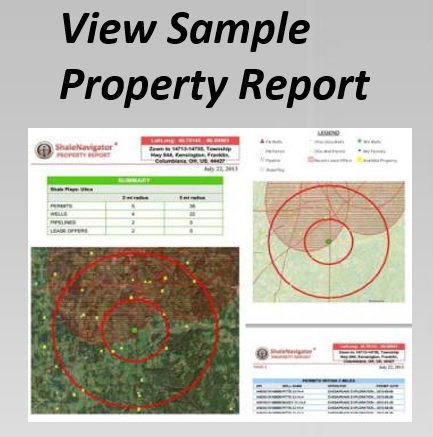
A disciplined review begins with the deed and works backward through the chain, then moves forward to current liens, leases, assignments, and production records. Digital mapping can help confirm tract location, identify nearby wells and permits, compare parcel boundaries, and reveal whether the described acreage overlaps a shale play or active development area.
Researchers can use a free seven-day account to organize relevant property and development information before committing to additional subscription data. Mapping does not replace a formal title examination, but it can help prioritize tracts, identify inconsistencies, and give attorneys or landmen a clearer geographic context.
The most useful review habits include:
- Obtain a current county land-record search covering the full mineral chain, relevant liens, leases, assignments, and releases.
- Compare every legal description with surveys, plats, tax parcels, adjacent deeds, and recorded correction instruments.
- Investigate probate, marriage, divorce, trust, corporate, and power-of-attorney records whenever ownership changed through a person or entity.
- Separate mineral ownership from royalty, leasehold, executive, and reversionary rights before estimating value.
- Prepare a curative checklist identifying missing signatures, releases, affidavits, corrective deeds, and required legal opinions.
Turning Defects Into Actionable Findings
The strongest mineral title review produces more than a list of exceptions. It explains who appears to own the interest, which rights are limited, what evidence supports the conclusion, and what action would cure or reduce each risk. That format gives buyers, sellers, lenders, and operators a shared basis for negotiation.
Some defects can be corrected through a simple confirmatory deed or lien release. Others require heirship proceedings, probate orders, ratifications from lessors, or agreements among competing mineral owners. When a defect cannot be cured economically, the parties may adjust the purchase price, obtain title insurance where available, exclude the affected acreage, or retain a reserve until the issue is resolved.
Begin each shale mineral acquisition with a tract-level ownership map and a documented chain-of-title review. By identifying reservations, missing parties, ambiguous descriptions, prior burdens, and unreleased claims before closing, stakeholders can protect the value of the mineral estate and move promising opportunities toward a defensible transaction.