


Legal Essentials for Realtors Handling Mineral Rights
A real estate sale can appear straightforward until mineral rights enter the discussion. In shale regions, the person who owns the surface estate may not own the oil, gas, coal, or other minerals beneath it. Those interests may have been reserved generations ago, sold separately, divided among heirs, or transferred to an energy company through a lease or deed.
For realtors, this distinction affects pricing, marketing, disclosures, negotiations, and the buyer’s intended use of the property. A residence may come with an active gas lease, a farm may be subject to pipeline easements, or an apparently vacant tract may have valuable severed mineral interests that are not included in the sale.
The key is to recognize when a property requires deeper title and land-use review. Realtors do not need to perform a legal title examination themselves, but they should identify potential issues early, describe known facts accurately, and direct clients to qualified attorneys, title professionals, and landmen when appropriate.
Why Mineral Rights Change A Property Sale
Mineral rights are real property interests, but they do not always follow surface ownership. A prior owner may have conveyed the land while reserving the minerals, or a mineral owner may have sold only a portion of the rights, such as natural gas while retaining oil or coal. This creates a split estate with separate ownership and potentially separate decision-makers.
The practical consequences can be significant. A mineral owner or lessee may have rights to enter the surface, drill wells, install gathering lines, build access roads, or use portions of the tract for production activities. The scope of those rights depends on the deed, lease, easements, pooling documents, state law, and any surface-use agreement.
A buyer who expects complete control over the property may be surprised by an existing lease or future development activity. Conversely, a buyer focused on investment may value royalty income or the possibility of future leasing. Realtors should avoid assuming that mineral ownership is either a benefit or a burden until the relevant documents and obligations have been reviewed.
Know What The Deed Actually Conveys
The property description in a listing or standard purchase contract may refer only to the surface estate. Language such as “all right, title, and interest” does not necessarily resolve prior reservations or convey interests that the seller never owned. The deed’s granting clause, reservations, exceptions, and references to earlier instruments all matter.
A title commitment can reveal recorded mineral reservations, leases, rights-of-way, production units, liens, and other encumbrances. However, title evidence may not answer every question about the current ownership of minerals. Historical conveyances, probate records, county indexing practices, unrecorded agreements, and production-related filings can complicate the ownership chain.
Realtors should encourage clients to distinguish among mineral ownership, royalty ownership, leasehold rights, and surface rights. A person may own minerals but have no current lease. Another party may hold a lease while a separate owner receives royalties. A pipeline company may have an easement without owning any minerals at all. Clear terminology helps prevent inaccurate marketing and misunderstandings during negotiations.
Due Diligence For Shale Properties
A property in or near a shale play deserves attention to more than current drilling activity. Relevant records may include well permits, completion reports, pooling or unitization documents, pipeline routes, lease offers, production information, and pending infrastructure projects. Public records are useful, but they can be difficult to search across counties and states.
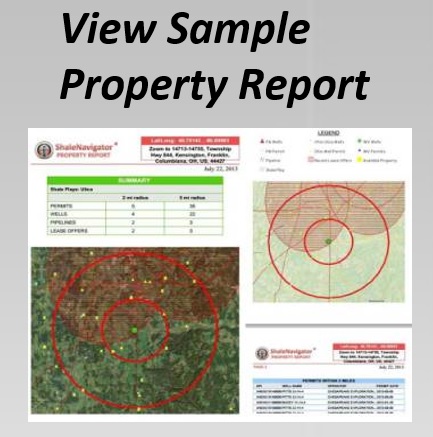
Digital mapping tools can help a realtor form an initial picture before referring the matter for formal review. Shale Navigator, for example, brings together property data and energy-related map layers that can help users identify possible overlap between a listing and nearby development. Its ownership verification guidance also emphasizes the importance of checking source records rather than relying on a single database entry.
The objective is not to declare mineral ownership from a map. Instead, mapping can identify questions that should be sent to the title company or attorney: Is a well permitted nearby? Does a pipeline cross the tract? Is there an active lease? Are the available records consistent with the seller’s representations? Early issue spotting gives clients more time to investigate.
| Issue | Why It Matters To A Realtor | Appropriate Next Step |
|---|---|---|
| Severed mineral estate | The seller may not control or convey subsurface rights | Request title review and prior deeds |
| Active oil or gas lease | The buyer may inherit lease-related conditions or surface activity | Obtain the lease, amendments, and recorded assignments |
| Pipeline or access easement | Construction, maintenance, or access may affect use and value | Review the easement map and restrictions |
| Royalty interest | Income may belong to a different owner or be divided among parties | Confirm ownership, payment history, and transfer terms |
| Pending permit or well | Future activity may affect noise, traffic, views, or land use | Check state and county regulatory records |
| Unclear legal description | A listing may misstate what land or rights are included | Have a title professional reconcile the documents |
Leasing, Royalties, And Surface Use
An oil and gas lease generally gives an operator the right to explore for and produce minerals in exchange for consideration. That consideration may include a signing bonus, delay rentals, production royalties, or other payments. The lease can also address pooling, depth limitations, production terms, shut-in payments, and post-production deductions.
A realtor should never summarize a lease by saying that a property “has royalties” without verifying what that means. Royalties may be payable to the seller, another family member, a trust, or a prior owner. They may be subject to division orders, deductions, liens, assignments, or minimum production requirements. A royalty interest may also be excluded from a proposed sale unless the contract expressly includes it.
Surface-use provisions deserve equal attention. Even when the buyer does not own the minerals, the buyer may face restrictions related to drilling sites, access roads, compressor stations, water lines, or gathering systems. Some agreements compensate the surface owner; others establish set locations and restoration duties. These details can influence the property’s marketability and the buyer’s plans for construction or agriculture.
Disclosure Duties And Contract Language
Disclosure rules vary by state and may depend on whether the condition is known, material, latent, or specifically addressed by statute. A realtor should follow the applicable license law, brokerage policy, and required disclosure forms rather than treating mineral issues as ordinary physical defects. When uncertain, the safest course is to disclose known facts accurately and recommend professional review.
Marketing language should be precise. Statements such as “mineral rights included,” “no drilling,” “income-producing property,” or “unrestricted acreage” can create risk if they are based on assumptions. A better description identifies what has been verified and avoids promising ownership, revenue, or future development outcomes that the records do not support.
The purchase agreement should clearly state what interests are included and excluded. It may need to address mineral rights, royalty rights, lease payments, surface damages, pipeline easements, water rights, timber, fixtures, and existing contracts. Depending on the transaction, the parties may need a title objection period, a document-delivery requirement, a specific assignment provision, or a closing condition tied to legal review.
Using Property Data Responsibly
Online property and energy data can improve a realtor’s preparation, especially when a listing spans rural acreage or lies within an active shale basin. It can help compare nearby parcels, identify available mineral interests, and locate infrastructure that may not be obvious during a showing. Shale Navigator’s available property search can be a useful starting point for reviewing property-related information in relevant regions.
Still, data should be treated as a research aid rather than a substitute for an abstract, title opinion, or recorded instrument. Parcel boundaries may differ among county systems, ownership records can lag behind transfers, and map layers may show approximate locations. A responsible workflow compares digital information with official records and documents the basis for important representations.
Realtors can also use this process to improve client conversations. Rather than making a legal determination, they can explain that a property appears to have a recorded reservation, nearby infrastructure, or an unresolved ownership question. That factual explanation helps the client choose the right professional without turning the realtor into an unauthorized legal adviser.
Practical Safeguards For Every Transaction
A consistent process reduces the chance that mineral-rights questions will appear for the first time at closing. The following safeguards are useful for residential, agricultural, commercial, and investment listings:
- Ask the seller whether mineral, royalty, lease, pipeline, or surface-use documents exist.
- Review the title commitment and exceptions as soon as they are available.
- Compare the legal description, parcel map, tax record, and seller’s documents.
- Avoid claiming that rights are included or excluded until the contract and title evidence support that statement.
- Refer complex ownership, lease, disclosure, and contract questions to a qualified attorney or title professional.
Mineral-rights due diligence is ultimately about matching the property’s legal reality with the client’s expectations. When realtors identify possible issues early, they help buyers evaluate access, income, development potential, and future restrictions before committing to a transaction.
Use reliable property and shale-development data during the initial review, then coordinate promptly with title professionals and counsel for definitive answers. A careful process protects clients, supports accurate marketing, and makes mineral-rich property transactions easier to manage from listing through closing.