


Why Lease Expiration Dates Shape Mineral Rights Value
Mineral rights valuation is often associated with geology, production history, commodity prices, and nearby drilling activity. Yet the date a lease expires can be equally influential. A promising tract with strong reserves may have limited market value if the operator has little time left to preserve its rights, begin development, or negotiate an extension.
A lease expiration date is more than an administrative detail. It defines the period during which an operator can explore, drill, produce, or hold acreage under the agreement’s terms. For buyers, sellers, landowners, and investors, understanding that timeline helps distinguish between an asset with immediate potential and one exposed to near-term uncertainty.
The effective value of a mineral interest depends on both what lies underground and how much legal and commercial time remains to develop it. Reviewing lease language alongside maps, permits, production records, and surrounding activity creates a more realistic valuation framework.
How Expiration Dates Affect Economic Value
A lease with several years remaining generally gives an operator greater flexibility. It may allow time to secure permits, conduct seismic work, evaluate spacing, obtain financing, and schedule a well. That flexibility has economic value because development does not have to occur immediately to preserve the interest.
Short remaining terms create pressure. If drilling or production is required before expiration, delays caused by permitting, surface access, infrastructure, or capital allocation may place the lease at risk. A buyer may discount the mineral rights to account for the possibility that the operator cannot satisfy the lease’s requirements in time.
The impact is especially significant where the lease contains a fixed primary term followed by a secondary term. Production, continuous drilling, or another defined activity may extend the lease, but the extension is rarely automatic without conditions. The valuation question is therefore not simply, “When does the lease end?” It is also, “What must happen before that date to keep it alive?”
Primary Terms, Extension Clauses, And Held-By-Production Status
A lease’s primary term is the initial period granted for exploration and development. During this phase, the operator may have the right to hold the acreage without commercial production, usually in exchange for a bonus payment and compliance with other provisions. As the primary term approaches its end, the absence of drilling or production can become a major valuation concern.
Extension clauses can provide additional time, but their wording matters. Some allow the lessee to extend unilaterally by paying an additional fee. Others require mutual agreement, a specific notice period, or satisfaction of operational conditions. An extension option that is inexpensive and clearly exercisable may support a higher valuation than one dependent on uncertain negotiation.
Held-by-production status can change the analysis substantially. If a producing well satisfies the lease’s requirements, the interest may continue beyond the original primary term for as long as production remains commercially sufficient under the agreement. However, production may need to meet minimum quantities, be maintained in paying quantities, or comply with clauses addressing shut-in wells and temporary cessation.
A lease can also cover multiple tracts or formations with different development histories. A well holding one portion of the acreage may not preserve every included tract if the agreement contains a production allocation, depth limitation, Pugh clause, or similar release provision. These details can materially alter the rights being valued.
A Practical Valuation View Of Time Remaining
Time to expiration should be treated as a valuation variable rather than a simple date field. The closer the deadline, the more important it becomes to assess the probability of renewal, drilling, production, or another event that preserves the lease. A nearby permit may improve that probability, while a lack of activity may reinforce a discount.
The following framework illustrates how remaining lease life can influence risk and pricing. Actual results depend on the lease, geology, operator, market conditions, and state law.
| Lease position | Typical risk profile | Valuation considerations |
|---|---|---|
| More than five years remaining | Greater development flexibility | More time for permitting, planning, capital deployment, and infrastructure coordination |
| Two to five years remaining | Moderate timing risk | Review drilling schedules, extension rights, nearby permits, and operator commitment |
| Less than two years remaining | Elevated expiration risk | Apply a stronger discount unless preservation events or extension rights are well supported |
| Primary term ending with no activity | High uncertainty | Examine notice requirements, bonus provisions, renewal options, and likelihood of lease termination |
| Held by production | Potentially longer duration | Verify production volumes, paying-quantities language, shut-in provisions, and retained acreage |
| Expired or disputed lease | Significant title and enforceability risk | Confirm whether rights reverted, were extended, or remain subject to a legal dispute |
A discounted cash flow model can incorporate this issue by assigning probabilities to development outcomes. For example, projected royalties may be weighted by the probability that the lease remains effective long enough for drilling and production to occur. A tract with stronger geological prospects may still produce a lower risk-adjusted value if its lease expires soon.
Comparable sales also require careful adjustment. Two properties may appear similar based on acreage and formation, but the property with a longer lease term may command a premium. Comparing transactions without adjusting for expiration dates, extension rights, and production status can lead to misleading conclusions.
Data Points That Support Better Analysis
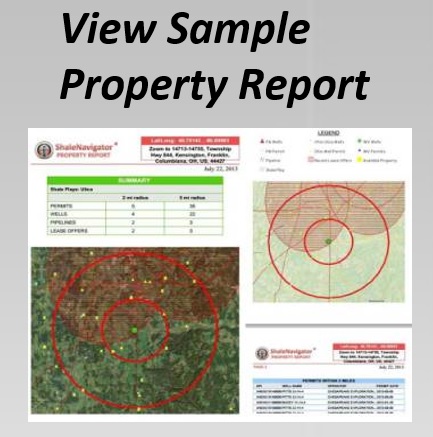
Lease expiration dates should be reviewed alongside operational evidence. A map showing permits, wells, pipelines, and nearby leases can help determine whether development is realistic within the remaining term. A permit does not guarantee drilling, but it may indicate that the operator has invested resources and is moving toward activity.
Production and well data provide another layer of context. An existing producing well may support held-by-production status, while an inactive or marginal well may raise questions about whether the lease remains in force. Recent well performance, shut-in periods, and regulatory filings can be relevant when evaluating continuity.
Ownership and title information are equally important. Assignments, amendments, memoranda of lease, pooling declarations, and partial releases may change the rights associated with a tract. Mineral owners and prospective buyers should verify whether the expiration date applies to the entire property, only a formation, or a specific acreage segment.
A mapping and reporting platform can make this review more efficient by bringing these geographic and property signals together. For questions about available datasets, account access, or property research workflows, users can Contact Shale Navigator for information relevant to their analysis.
Lease Provisions That Can Change The Deadline
Several clauses can extend, shorten, or qualify the apparent expiration date. A continuous-development clause may require the operator to drill additional wells within a stated interval. If the operator fails to meet that schedule, undeveloped acreage may be released even though the original lease has not fully expired.
A force majeure provision may extend deadlines when events outside the lessee’s control prevent performance. Regulatory delays, natural disasters, government actions, or surface access problems may be treated differently depending on the wording. Such provisions should not be assumed to apply automatically.
Pooling and unitization can also affect lease duration. Production from a well located in a pooled unit may hold the relevant acreage if the lease and applicable law permit that result. Conversely, a poorly structured unit or a partial pooling arrangement may leave nonproducing acreage vulnerable to expiration or release.
Rental payments, shut-in royalties, delay rentals, and notice requirements deserve close attention. A missed payment or defective notice can create a dispute over whether the lease continued. Since these questions often depend on state law and the exact contract, legal review is appropriate before assigning a final value.
Building A Lease-Aware Due Diligence Process
A reliable valuation process begins by creating a lease schedule for every tract. Record the original execution date, primary term, expiration date, extension options, production status, notice deadlines, and documents that modify the original agreement. Where dates are uncertain, mark them as requiring title or legal confirmation rather than treating them as settled facts.
The next step is to connect the lease schedule to current market evidence. Review permits, well locations, pipeline access, operator activity, competing development, and recent transactions in the same shale play. This helps establish whether the operator has a practical path to preserve and develop the lease.
Useful review priorities include:
- Confirm the primary term and calculate the actual expiration date from the lease language.
- Identify extension, renewal, continuous-development, and held-by-production provisions.
- Check permits, producing wells, shut-in wells, and recent operator activity near the tract.
- Review title records for assignments, amendments, releases, pooling, and partial acreage retention.
- Model expiration risk separately from geological and commodity-price assumptions.
The final valuation should show how the result changes under different timing assumptions. A base case might assume timely development, while a downside case could reflect delayed drilling, failed renewal, or release of undeveloped acreage. This makes the analysis more transparent for investment committees, negotiations, estate planning, and litigation support.
Turning Expiration Risk Into A Clear Decision
Lease expiration dates deserve early attention because they can alter the practical value of otherwise attractive mineral rights. A tract with excellent geology may require a substantial discount when its legal development window is closing. Conversely, a modestly sized interest with a long remaining term, active production, and strong infrastructure may offer greater risk-adjusted value than surface-level comparisons suggest.
Shale Navigator’s map layers and reporting tools can help users investigate the relationship between lease timing, permits, production, pipelines, mineral availability, and property information. Reviewing subscription options can provide access to features and data that support more efficient lease and mineral-rights research.
Use expiration dates as a central part of every valuation file, verify the governing documents, and connect legal timing with real-world development evidence before pricing or acquiring an interest.