


How Regional Gas Storage Shapes Shale Drilling Timing
Natural gas storage is one of the less visible forces influencing shale development schedules. Drilling decisions depend on lease obligations, rig availability, geology, takeaway capacity, and commodity prices, but storage levels can determine whether a company accelerates activity, delays completion, or preserves capital for a later market window.
The effect of regional gas storage on shale drilling timing is especially important in producing basins where pipeline constraints create local price differences. A national storage number may suggest adequate supply, while a specific producing region faces limited capacity, weak local pricing, or unusually strong demand for deliverability.
For operators, investors, landowners, and analysts, storage data becomes more useful when combined with permits, pipeline infrastructure, existing wells, and property records. That broader view helps distinguish a temporary pause from a sustained change in development strategy.
Why storage matters to drilling schedules
Underground storage balances seasonal demand by holding gas during periods of lower consumption and releasing it during winter heating demand or summer power generation. When inventories are high relative to historical averages, buyers may have less urgency to secure additional supply. That can weaken spot prices and reduce the appeal of bringing marginal wells online immediately.
Low inventories create a different operating environment. If weather forecasts, power demand, or export activity point toward tighter supply, producers may gain an incentive to complete drilled-but-uncompleted wells, add compression, or move rigs toward acreage with dependable market access. Storage therefore affects both the timing of physical work and the commercial value of production.
The signal is rarely immediate. A producer may respond to storage conditions through completion timing rather than a new drilling permit. In other cases, a company may continue drilling to preserve leases while postponing hydraulic fracturing and sales until regional prices improve.
Seasonal demand changes the value of a new well
The timing of first production can materially affect a well’s economics. Gas delivered ahead of winter often commands greater strategic value than the same volume entering an oversupplied market during the shoulder season. Operators may schedule completions so production reaches pipelines when withdrawals are expected to rise.
Summer creates another important demand cycle. Natural gas-fired power plants frequently consume more fuel during periods of high air-conditioning demand. Storage withdrawals may begin earlier than normal if heat waves increase electricity generation, giving producers a reason to prioritize wells connected to regions with strong power-sector demand.
These seasonal patterns influence service-company scheduling as well. Fracturing crews, water providers, sand suppliers, and gathering operators may face bottlenecks when many producers target the same delivery window. A company that anticipates storage-driven demand can reserve equipment earlier, while a company that reacts late may face higher costs or delayed completions.
Regional infrastructure determines the strength of the signal
Storage should be evaluated alongside pipeline capacity. A producing area can have low inventories nearby yet remain unable to capture higher prices if gathering systems, processing plants, or interstate pipelines are full. Conversely, a region with comfortable storage may still support drilling when producers have firm transportation contracts and access to premium markets.
Pipeline outages and maintenance can temporarily change the relationship between storage and drilling. A short-term restriction may create basis volatility, encouraging operators to defer completions until takeaway improves. New lateral connections, compression projects, or processing expansions can reverse that decision by making additional gas deliverable.
Geography also affects how quickly market conditions travel through a basin. Storage in a major consuming hub may support prices across connected regions, but transmission constraints can prevent that benefit from reaching a remote shale development area. Mapping storage proximity with pipelines, permits, and producing wells gives analysts a more practical view than relying on national inventory figures alone.
Reading storage conditions with development data
Storage reports become more actionable when paired with evidence of operator intent. A concentration of permits may indicate that a company is preparing to maintain lease production, establish a drilling unit, or position wells for a future completion campaign. Analysts can use permit clusters to estimate where activity may occur next, then compare those locations with nearby gathering and transmission infrastructure.
The age of permits is important. A recent permit combined with available takeaway may point to near-term drilling, while older permits in an area with weak pricing may reflect inventory held for strategic reasons. Repeated permit renewals, changes in operator, and concentration around existing pads can reveal whether a company is advancing a project or simply protecting its acreage position.
Well status adds another layer. A region with many drilled-but-uncompleted wells may respond to improving storage conditions faster than a region requiring new wells. Completion activity can increase quickly when market signals strengthen, while new drilling usually requires longer planning, permitting, contracting, and infrastructure coordination.
| Storage and market condition | Likely operator response | Data signals to monitor |
|---|---|---|
| Low inventories before winter | Accelerate completions and prioritize connected wells | DUC counts, frac activity, firm pipeline capacity |
| High inventories during mild demand | Defer completions or reduce rig activity | Falling permit activity, slower well turnover |
| Tight local storage with pipeline congestion | Delay production or redirect capital | Basis discounts, outage notices, gathering constraints |
| Strong summer power demand | Bring selected wells online ahead of peak load | Power-sector demand, regional prices, processing utilization |
| Improving storage outlook and new takeaway | Increase drilling confidence | New permits, pad construction, pipeline expansions |
The most reliable interpretation comes from looking for several signals moving together. A storage draw by itself may be weather-related and short-lived. A draw accompanied by rising basis prices, stronger permit activity, and expanding pipeline access is more likely to influence a sustained drilling schedule.
Implications for mineral rights and property analysis
Storage conditions can affect the perceived value of mineral rights, but the effect is highly localized. A tract near a productive shale interval may still have limited near-term value if production faces recurring pipeline constraints. Another tract with similar geology may attract stronger interest when it sits near storage, processing, or high-demand markets.
County-level records help put these market conditions into a property context. As explained in county-level data, appraisal work can benefit from examining permits, production history, ownership records, and local development patterns rather than applying broad basin averages.
Timing matters for royalty expectations. A landowner may hold a valuable lease, yet receive no near-term income if the operator delays completion. Investors evaluating mineral purchases should therefore distinguish proved production from contingent development and consider whether regional storage supports a realistic pathway to sales.
Attorneys and landmen may also need to review lease clauses tied to continuous development, shut-in payments, delay rentals, and production in paying quantities. Storage-driven delays do not automatically excuse an operator from contractual obligations. Market conditions should be analyzed alongside the exact language governing the lease.
A practical workflow for tracking timing risk
A repeatable review process can connect market conditions with mapped development activity. Start with storage inventory trends and regional price spreads, then identify the pipelines, processing facilities, and storage sites that serve the target acreage. Next, compare those conditions with permits, well status, operator activity, and mineral ownership.
Useful steps include:
- Track weekly storage levels against five-year averages and seasonal demand forecasts.
- Map permits, producing wells, DUCs, gathering systems, processing plants, and interstate pipelines together.
- Separate recently issued permits from older permits, renewals, and inactive locations.
- Compare regional basis prices with transportation capacity and known infrastructure outages.
- Review lease deadlines and royalty terms before interpreting a drilling delay as purely economic.
This workflow can support different decisions. An operator may use it to prioritize pads with better market access. A mineral investor may use it to estimate the timing of future royalty income. A landowner may use it to understand why permitted acreage has not yet moved into production.
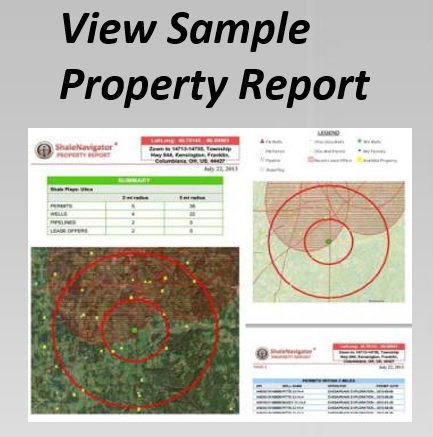
Interactive mapping is particularly useful when the relevant evidence is spread across counties and data sources. The Shale Navigator platform brings together shale plays, drilling permits, pipelines, mineral rights, and property information so users can evaluate regional development in geographic context.
Turning storage signals into better forecasts
Storage data should be treated as a timing indicator rather than a standalone drilling forecast. Producers balance inventory levels against hedge books, capital budgets, service contracts, acreage commitments, and corporate production targets. Two companies operating in the same basin may respond differently to identical market conditions.
A stronger forecast assigns greater weight to storage when other indicators confirm the same direction. For example, rising inventories, weak regional prices, falling permit activity, and growing DUC counts collectively support a delay scenario. Declining inventories, improved basis prices, new takeaway, and rising completion activity support a faster development scenario.
The goal is not to predict an exact spud date. It is to identify the conditions that make drilling, completion, or production more likely within a defined period. That approach produces a more defensible analysis for capital planning, acquisition review, lease negotiations, and property valuation.
Regional gas storage offers an important lens for understanding why shale activity moves unevenly across the United States. By combining storage trends with infrastructure, permits, well status, and ownership data, users can see whether a development area is positioned for immediate growth, temporary postponement, or a longer strategic hold. Start exploring those connections with Shale Navigator’s mapping and reporting tools, including the free seven-day account.