


How to Catch Late-Filed Well Completion Reports Before They Cost You
Operators across the United States are required to file well completion reports within a specific window after finishing drilling and stimulation work. When those documents arrive weeks or months past the deadline, the ripple effects reach far beyond the operator's accounting department. For investors watching portfolios from Sydney or Melbourne, late paperwork can signal deeper problems in the field.
An Australian commodities analyst might never set foot in the Permian Basin, yet the integrity of completion data still shapes investment decisions on desks in Brisbane and Perth. Understanding how to identify delayed filings, and what those delays reveal about a play, is now a core skill for anyone tracking North American shale. The patterns are often subtle, but they are also consistent enough to catch with the right approach.
Defining a Late-Filed Well Completion Report
A well completion report is the formal record submitted to a state regulator once a well has been drilled, cased, cemented and stimulated. It typically includes total depth, lateral length, fracturing stages, fluid volumes and the type of proppant used. Each producing state sets its own submission window, ranging from thirty days in Texas to six months or more in other jurisdictions.
When a report arrives after that window closes, it is considered late regardless of whether the operator eventually files it. Some delays are administrative, caused by missing signatures or slow third-party labs. Others reflect operational complications such as wellbore instability, equipment failures or even undisclosed incidents. The reason for the delay matters, but the date stamp on the filing is what regulators and the public use to judge compliance.
Late filings are not always flagged prominently in public databases. They sit alongside on-time documents, often with only a careful look at the submission date revealing the breach. This is where methodical review becomes essential rather than optional.
Why the Delay Matters for Investors and Operators
A delayed report can distort production forecasts, royalty calculations and reserve estimates. Landmen negotiating new leases need accurate completion data to value adjacent acreage, and a stale record can push offers in the wrong direction. For an Australian fund manager assessing exposure to US tight oil, a single late filing inside a core acreage block can move the numbers enough to alter a position.
There is also a reputational cost. Operators with a pattern of late submissions frequently attract closer scrutiny from state agencies, which can slow permit approvals on subsequent wells. In a competitive lease sale environment, that delay translates directly into missed revenue. Lawyers handling title disputes depend on timely records, and missing data can stall settlements for years.
Beyond the immediate operational impact, late filings erode trust between mineral rights holders, working interest partners and the broader market. When the data feeding valuation models is incomplete, every downstream decision carries a hidden margin of error.
Where Late Filings Hide in Public Databases
State oil and gas commissions maintain searchable databases, but the interfaces vary widely. Texas' RRC system, for example, displays a received date alongside the approval date, making it relatively easy to spot a gap. Other states bury the submission timestamp inside downloadable PDFs, requiring a side-by-side comparison against the permit date to calculate lateness.
Researchers at the University of Queensland have published on the importance of regulatory transparency in resource economies, and their findings apply just as cleanly to North American shale as to Australian coal seam gas. The lesson is consistent: the data exists, but it rewards patience and process.
Third-party aggregators pull from these primary sources and add their own layers, but they sometimes smooth over the very discrepancies that matter. Analysts relying solely on polished dashboards risk missing the rough edges where late filings show up. Direct checks against the source remain the most reliable way to confirm a report's true timing.
Red Flags in Operator Filing Patterns
Single late filings happen to even the most disciplined operators, often due to weather or lab backlogs. A pattern of late submissions, however, tells a different story. Watch for operators whose reports cluster around regulatory deadlines rather than spreading naturally across the post-completion window. That clustering suggests work is being rushed at the last minute, or that the operator is catching up on a backlog.
Another warning sign is a sudden change in filing behaviour. A company with a clean record for years followed by a stretch of late reports may be dealing with internal turnover, financial strain or new compliance staff. Conversely, an operator that consistently files early demonstrates control over its data pipeline, which is itself a positive signal for due diligence.
Discrepancies between reported fracture stages and observed field activity also warrant attention. If a press release touts a 40-stage completion but the filed report shows 32, the delay may have allowed time for revisions that favour the operator's narrative over the technical reality.
Common warning signs of a late-filed well completion report:
- Submission date is more than 30 days past the state-mandated deadline
- Production volumes appear in monthly statements before the completion report exists
- Fracture stage count differs from the number announced in the operator's press release
- The operator's nearby wells were filed on time, isolating the delay to a single pad
- The well is located in a county with historically poor compliance enforcement
Matching Production Records Against Submission Dates
Production data is typically reported on a monthly or semi-monthly schedule, often before the completion report is finalised. When production volumes appear for a well that has not yet filed a completion report, something is out of order. Either the well came online ahead of paperwork, or the report is being held back.
Cross-referencing first-of-month production statements against completion filings creates a powerful verification tool. A well that shows three months of production but no completion report is almost certainly a late filer. Some operators file only after receiving a regulatory notice, leaving the public record incomplete for extended periods.
Australian energy analysts familiar with the reporting cadence at Gladstone's LNG export terminals will recognise the principle: physical throughput and regulatory declarations must align, and any sustained gap invites scrutiny. The same discipline applies in shale basins from the Permian to the Bakken.
Using Mapping Platforms to Visualise Filing Gaps
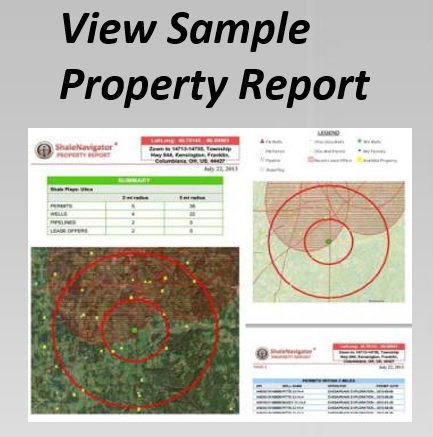
Interactive mapping tools have transformed how analysts track well-by-well activity across sprawling shale plays. Rather than scrolling through tabular records, users can overlay completion filing dates against lease boundaries, pipeline corridors and production heat maps. The visual layer makes clusters of late filings stand out immediately, especially when the operator controls large contiguous acreage.
A useful companion is a guide designed to help analysts spot emerging markets using lease offer heatmap data, which highlights where activity is accelerating. When late filings overlap with rising lease offers, the picture becomes clearer: capital is moving into the area before the regulatory paperwork catches up.
For analysts tracking water management alongside production, the resource covering Delaware Basin wastewater wells offers another angle, since completion reports and disposal well data often share the same lag patterns. Layering these datasets reveals correlations that would otherwise stay hidden in separate spreadsheets.
Building a Repeatable Monitoring Workflow
Spotting late filings once is useful; catching them across an entire portfolio requires a structured routine. Start with a watchlist of operators and key counties, and set calendar reminders tied to each state's filing deadline. Pull the permit and completion report for every new well on the list within a week of the expected filing date.
Standardise a comparison sheet that records permit date, spud date, expected completion filing date and actual filing date. Even a simple spreadsheet reveals trends that would be invisible in raw form. Over time, the dataset becomes a proprietary asset that sharpens valuation work and supports more confident bidding at lease sales.
Finally, share findings with colleagues and counterparties. A culture of open reporting, modelled on the transparency standards expected of ASX-listed energy companies, raises the standard for everyone. The more analysts who flag late filings publicly, the less incentive operators have to let paperwork slip.
Steps to verify a suspected late filing:
- Pull the permit record and note the regulatory deadline for the relevant state
- Check the public database for the actual submission date on the completion report
- Compare the submission date against the first reported month of production
- Review the operator's filing history across the same county or basin
- Note any press releases issued between spud and the eventual filing date
- Flag the well in your watchlist and revisit the record at quarterly intervals
For analysts ready to move from manual checks to systematic tracking, the platform offers a seven-day free account that lets you overlay permit dates, completion submissions and production data in a single view. Set up a watchlist for your most-watched operators and run it through the next state filing deadline. The discipline of catching late-filed completion reports early pays dividends every quarter, turning what looks like administrative noise into a genuine competitive edge in the North American shale market.