


How to Identify Preferential Purchase Rights in Lease Filings
Preferential purchase provisions can materially affect the value and transferability of oil and gas interests. A lease may give a lessee, working-interest partner, royalty holder, or another named party the first opportunity to acquire an interest before the owner sells it to someone else. These rights may be easy to miss when they appear in a long lease, memorandum, amendment, assignment, or related surface-use agreement.
A careful review requires more than searching for the phrase “preferential right to purchase.” Drafting varies widely. The same commercial concept may appear as a right of first refusal, right of first offer, purchase option, preemptive right, or consent-based transfer restriction. The provision’s trigger, notice procedure, covered property, and deadline determine how it operates.
Lease filings are also only one part of the record. County recording indexes, title documents, assignments, pooling instruments, and subsequent amendments may change the original arrangement. A structured review helps landmen, mineral buyers, attorneys, and investors distinguish an active purchase right from an expired or superseded clause.
Understand the Commercial Effect
A right of first refusal generally becomes active when the owner receives a bona fide third-party offer. The holder can usually match the offer’s material terms within a stated period. A right of first offer follows a different process: the owner must approach the designated holder before soliciting or accepting an outside offer. The parties may negotiate, but the holder may not receive a fixed matching right.
An option to purchase is often more direct. It may allow the holder to buy specified acreage, minerals, leasehold rights, or production interests at a stated price or under a defined valuation formula. Some agreements combine an option with a right of first refusal, creating several decision points that must be analyzed separately.
The economic impact depends on what is covered. A clause applying to a full lease assignment may be less restrictive than one covering any transfer of a tract, depth, wellbore, royalty interest, or undivided mineral share. Buyers should also determine whether the right survives a partial sale, foreclosure, merger, bankruptcy, or assignment to an affiliate.
Locate the Relevant Filing
Begin with the county clerk or recorder’s real property index for each county containing the leased acreage. Search the lessor and lessee names, legal descriptions, tract names, lease numbers, and recording references. Relevant language may appear in the original oil and gas lease, a short-form memorandum, a ratification, a lease amendment, or an assignment and bill of sale.
A memorandum of lease may summarize key terms without reproducing every covenant. If it mentions a preferential purchase right, obtain the underlying lease and every referenced exhibit. A short filing can also reserve rights contained in a separate agreement, such as a joint operating agreement, farmout, participation agreement, or development contract.
Search later filings as carefully as the original instrument. An amendment may narrow the acreage, replace the notice address, extend a deadline, or remove the right entirely. An assignment may transfer the benefit of the provision to a new holder, while a release or termination may eliminate it. Recording dates help establish priority, but the document language controls the scope of the parties’ agreement.
Read Beyond the Key Phrase
Look for terms such as “first refusal,” “first offer,” “preferential right,” “prior approval,” “matching right,” “election,” “proposed transfer,” “bona fide offer,” and “notice of sale.” Also search for verbs that describe the obligation, including “shall offer,” “must notify,” “may elect,” “shall have the right,” and “cannot assign.” A clause may create a purchase right without using any familiar label.
Identify the triggering event with precision. Does the right apply to any proposed conveyance, only an arm’s-length sale, or a transfer of all or substantially all of the leasehold? Are affiliate transfers, reorganizations, gifts, mortgages, and exchanges excluded? Some provisions activate only after a third-party contract is signed; others require notice before negotiations begin.
Then map the procedure. Record who must receive notice, what information must be included, how long the recipient has to respond, and when closing must occur. The clause may require certified mail, overnight delivery, personal service, or delivery to a specific address. Notice sent to an outdated address or without the required purchase agreement may not satisfy the contract, although the legal effect depends on applicable law and the full agreement.
Compare the Main Provision Types
The following distinctions provide a practical starting point, but the exact wording and governing state law should always be reviewed by qualified counsel. Courts may interpret similar clauses differently based on the lease, surrounding documents, and the transaction involved.
| Provision | Typical trigger | What to verify | Common risk |
|---|---|---|---|
| Right of first refusal | Owner receives a third-party offer | Matching period, complete offer terms, closing deadline | Dispute over whether the outside offer is bona fide |
| Right of first offer | Owner decides to sell before marketing the interest | Required initial notice and negotiation procedure | Unclear price or failure to define good-faith negotiations |
| Purchase option | Contract-defined event or election period | Price formula, exercise method, covered acreage, expiration | Option may be treated as lapsed if not exercised exactly |
| Consent to assignment | Proposed transfer of a lease or interest | Who must consent and whether consent can be withheld | Transfer may be delayed or challenged |
| Preferential purchase right | Sale or transfer of specified rights | Scope, exceptions, notice details, and beneficiaries | Clause may apply to a partial interest unexpectedly |
The table also highlights why a document search alone is insufficient. A phrase such as “preferential right” does not reveal whether the right applies to a mineral deed, a lease assignment, a royalty conveyance, or a corporate transaction. The property description and transfer conditions must be read alongside the operative language.
Confirm Property and Ownership Details
Compare the legal description in the clause with the acreage being evaluated. Check section, township, range, abstract, lot, tract, depth, and formation references, as well as any attached exhibits. A right may cover only a particular parcel or producing unit rather than every interest held by the lessor or lessee.
Ownership analysis is equally important. Determine whether the beneficiary owns a working interest, net revenue interest, overriding royalty, nonparticipating royalty, or a contractual right unrelated to title. For a useful explanation of how acreage and royalty economics interact, review this guide to net mineral acres. A purchase right tied to a percentage interest may have a different valuation and notice requirement than one tied to gross acres.
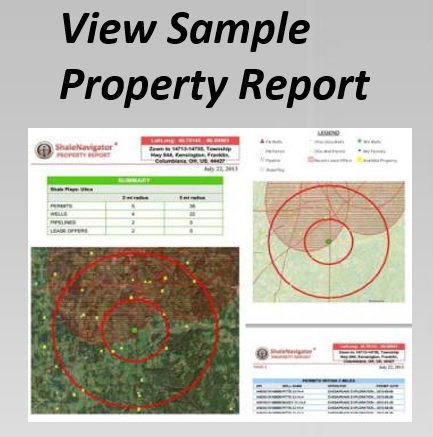
Use production and permit information to test whether the relevant lease is active and whether a proposed transfer could affect an existing operation. Shale Navigator’s well data can help users compare nearby wells, operators, producing formations, and development activity with the lease and property records. Mapping does not replace title examination, but it can reveal inconsistencies in tract location, operator identity, or development status.
Track Exceptions, Deadlines, and Amendments
Many preferential rights contain exceptions that determine whether they are commercially significant. Common exclusions include transfers to affiliates, successors, co-owners, lenders, or entities acquiring an entire corporate organization. Some clauses exclude transfers made as part of a merger or internal restructuring but apply to a sale of a single lease or well.
Pay close attention to duration. The right may expire on a stated date, after a certain number of years, upon cessation of production, or when the lease terminates. It may also continue through extensions, renewals, ratifications, or replacement leases. A later instrument can preserve, modify, or extinguish the original right, so create a timeline of every related filing.
Document the analysis in a consistent lease abstract. Capture the parties, recording information, covered property, provision type, triggering event, notice requirements, response period, exceptions, expiration, and unresolved questions. Separate confirmed facts from assumptions and identify the document that supports each conclusion. This record makes review easier when a transaction moves from preliminary screening to title opinion or closing.
Build a Reliable Review Process
A repeatable workflow reduces the chance that an important covenant will be overlooked:
- Search all relevant grantor and grantee names, including former names and corporate affiliates.
- Collect the original lease, memoranda, amendments, assignments, releases, and referenced agreements.
- Search the documents for varied terms, then read the surrounding provisions and exhibits.
- Compare the covered legal description with current ownership, acreage, wells, permits, and proposed transaction assets.
- Calendar notice deadlines and send ambiguous or high-value provisions for legal review.
Digital mapping and reporting tools can make the preliminary phase faster by connecting property records with shale plays, lease information, drilling activity, and infrastructure. They are especially useful when a portfolio spans several counties or when tract names have changed over time. Still, the recorded instrument remains the controlling source for contractual rights.
Before acquiring or assigning an interest, obtain the complete chain of title and confirm whether any required notice, consent, waiver, or election has been issued. Investors and operators can use Shale Navigator’s free seven-day account to organize initial property research, compare mapped assets, and identify filings that deserve closer examination. A disciplined search at the start can prevent a preferential purchase clause from becoming an unexpected obstacle at closing.