


How To Check A Well’s Severance Tax Exemption
A severance tax exemption can materially change the value of a producing oil or gas well. It may reduce the tax charged on production, suspend the levy for a defined period, or apply only to a specific formation, operator, production volume, or qualifying project. The wording often sits in a state filing, incentive order, or tax record rather than in the well’s basic permit data.
For an Australian investor, this process can feel unfamiliar. Australia generally deals with petroleum royalties, production-sharing arrangements, state charges, and resource rent concepts rather than the American state-by-state severance tax system. A well in the United States may therefore appear commercially attractive because of a tax holiday that would not have a direct equivalent in Queensland’s Surat Basin, New South Wales, or Western Australia’s Perth Basin.
The reliable approach is to connect three things: the exact well, the relevant state tax authority, and the time period in which the exemption operates. Mapping tools can help locate the asset and related permits, but the final determination should come from official tax records, agency orders, operator disclosures, or documents supplied during a transaction.
Why Exemption Status Is Hard To Read
“Exempt” does not always mean that no severance tax is payable. A state may offer a complete exemption for a short period, a lower tax rate for marginal wells, a credit for certain production, or a holiday for wells drilled into a qualifying formation. Some programmes apply to new wells only, while others depend on drilling depth, horizontal length, capital expenditure, market conditions, or production levels.
The benefit may also belong to the operator or taxpayer rather than to the physical well itself. If a well changes hands, the incentive may transfer automatically, require state approval, or end when the original producer leaves the project. A lease, working interest, royalty interest, and mineral interest can each have different economic exposure, so the tax treatment needs to be matched to the interest being acquired.
State terminology creates another complication. A document may use terms such as tax credit, reduced rate, exclusion, deduction, abatement, incentive, or holiday. Search broadly for all of these expressions, particularly when reviewing an unfamiliar basin or a package of mineral rights.
Start With The Exact Well Identity
Begin by establishing the well’s unique identifiers. Record the state, county, API number, operator, well name, formation, status, spud date, completion date, and first production date. Names can change after an acquisition or reorganisation, while API numbers and state-assigned identifiers usually provide a stronger link between regulatory, tax, and production records.
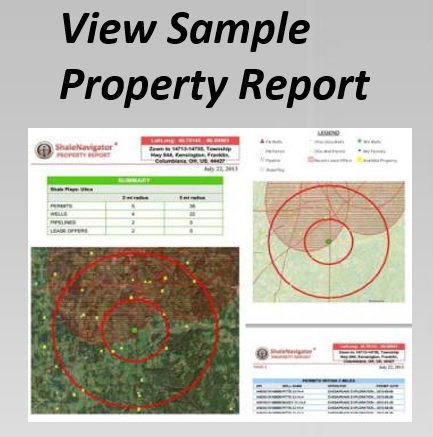
A practical starting point is the US well database, where map layers and well information can help you distinguish the target from nearby laterals, permits, plugged wells, and producing units. Confirm the location against the state regulator’s records before treating any tax reference as relevant. A permit for one lateral may sit close to another well with a different completion date and different eligibility.
Pay close attention to the production unit. In shale development, several horizontal wells may be drilled from one pad and pooled into a unit. An exemption may be granted to the well, the lease, the unit, or the taxpayer’s production from a particular formation. A nearby well is evidence of local activity, not proof that the target qualifies for the same treatment.
Trace The State Tax Authority
Once the well is identified, find the state agency responsible for severance, production, or natural resource taxation. Depending on the jurisdiction, this may be a department of revenue, taxation office, natural resources agency, or a specialist oil and gas commission. The regulator that issued the drilling permit may not be the agency that approves the tax benefit.
Search the agency’s public databases for exemption certificates, tax incentive orders, reduced-rate approvals, production reports, and notices of determination. Then compare the well’s details with the eligibility conditions. A filing may require the operator to claim the benefit on a tax return, meaning the public well record confirms production but does not confirm that the exemption was actually used.
Useful evidence usually includes the following:
- An exemption certificate, approval letter, or agency order naming the well, unit, operator, or lease
- The statutory provision or administrative rule creating the incentive
- Production and tax filings showing the dates and volumes claimed
- Assignment, transfer, or change-of-operator documents
- Correspondence confirming whether the benefit remains active
Look for the period covered by the approval. A certificate issued in 2021 may apply only to production after a particular completion date and before a specified volume cap. A tax statute may have changed since the well was drilled, so the current agency webpage is not enough by itself. Save the historical version, order number, filing date, and any attachments used in your assessment.
Check Dates And Production
The critical dates are usually the date of completion, first sale, first production, application, approval, and expiration. Some states measure an exemption by months; others use a number of barrels or cubic feet, a revenue threshold, or the point at which cumulative production reaches a limit. A well that qualified initially may have exhausted the benefit years ago.
Production history helps test the calculation. Compare monthly or quarterly volumes with the qualifying threshold, and check whether the exemption applies to gas, condensate, oil, or all taxable hydrocarbons from the well. A state may treat natural gas liquids differently from dry gas, while gathering, processing, and transportation arrangements can affect the taxable value used in the calculation.
The operator’s revenue statements may show a tax deduction, but a missing line item does not prove that no exemption exists. Taxes may be settled at the production-unit level, reported by an affiliated entity, or reflected in purchaser statements rather than owner statements. Ask for the underlying tax return schedules or a written representation from the seller when the financial impact is significant.
Also investigate repayment risk. Some programmes are subject to clawback if production falls below a required level, a job-creation promise is not met, a permit condition is breached, or the operator claimed the incentive incorrectly. A tax exemption should be valued as a conditional benefit until the agency record and contractual documents show otherwise.
Separate Tax Benefits From Market Signals
A tax holiday can improve netback, but it is only one part of a well’s economics. Compare the claimed benefit with royalties, gathering fees, compression, transport, operating costs, plugging obligations, and lease burdens. The person receiving a royalty may benefit indirectly from higher cash flow without receiving the tax exemption itself.
Regulatory developments can alter the operating environment. For example, review EPA drilling rules alongside state tax material when assessing whether a well can continue producing under its current permit structure. Federal environmental requirements and state tax incentives address different issues, but a change in permitting conditions can affect the practical value of a tax benefit.
Australian buyers should also keep the comparison disciplined. A Surat or Bowen Basin project may be analysed through royalties, land access payments, rehabilitation liabilities, and Queensland regulatory approvals, while a US shale well may involve county-level records, state severance tax, federal reporting, and private gathering contracts. In New South Wales, community and land-access considerations can shape the viability of gas development even when the tax question is separate.
Property data and local market evidence should not be mistaken for tax confirmation. A rise in drilling permits may influence mineral-rights pricing, but it does not establish that every nearby well receives an incentive. Reviewing permit activity and land prices can provide useful context while keeping the exemption analysis tied to the specific asset.
Build An Evidence File Before Valuing The Well
Organise the research so another person can reproduce it. Keep a copy of the well record, regulatory order, tax statute, production history, operator correspondence, ownership documents, and calculations. Note the source date and the exact wording that supports eligibility. This is especially important when a mineral-rights package includes dozens or hundreds of wells with different completion dates.
A simple evidence file should answer four questions: which well is covered, which taxpayer claims the benefit, what production qualifies, and when the benefit ends. If any answer is unclear, model the asset without the exemption and then prepare a separate upside case. That approach avoids paying a premium for a benefit that may be disputed, expired, or unavailable after a transfer.
Before settlement, ask the seller to disclose audits, unpaid tax notices, amended returns, agency correspondence, and indemnities. Have US petroleum tax counsel or a qualified accountant review the result, particularly where the transaction involves multiple states or a substantial carried interest. Australian legal and tax advisers can then assess how the US cash flow should be treated for the buyer’s structure and reporting obligations.
A well’s severance tax position is worth checking before relying on forecast income or comparing it with an Australian resource project. Search the official state records, match the exemption to the correct production period, and document every assumption. Use Shale Navigator to narrow the asset and its surrounding activity, then verify the tax benefit with primary records before incorporating it into an offer, valuation, or investment memo.