


How to Check Whether a Mineral Deed Reserves Executive Rights
A mineral deed can divide ownership into several separate interests, and the wording may determine who can lease the minerals, negotiate with an operator, approve pooling, or receive production payments. The person holding the minerals is not always the person holding the right to make those decisions. That decision-making authority is commonly called the executive right.
Checking a deed requires more than searching for the phrase “executive rights.” The document may reserve the power to lease through a separate clause, grant it to another party, or create an arrangement where mineral ownership, royalty ownership, and leasing authority sit with different people. A careful review should combine the deed, earlier instruments, title records, and current development information.
Reading The Rights Language
Start by obtaining a complete, recorded copy of the mineral deed, including its legal description, exhibits, signatures, acknowledgements, and recording information. A deed summary, county index entry, or private database record may omit the clause that controls leasing authority. Confirm the county, book and page or instrument number, execution date, and property description before relying on the document.
Look for operative verbs such as “convey,” “grant,” “reserve,” “except,” “retain,” “assign,” and “subject to.” The deed may convey all minerals but reserve the right to lease them. It may convey a fractional mineral interest while reserving all executive rights, or it may grant a non-executive mineral interest that receives royalties without giving the holder authority to sign an oil and gas lease.
The document may also use indirect wording. Phrases referring to “the right to lease,” “the power to execute leases,” “the right to negotiate and grant oil, gas and mineral leases,” or “all leasing privileges” can perform the same function. A reservation of “all rights incident to ownership” may be relevant, but its effect depends on the jurisdiction and the rest of the instrument.
Clauses That Usually Change The Result
An executive-rights review becomes easier when the key provisions are separated from background language. The following clauses deserve close attention:
- A reservation of the right to lease, negotiate, execute, amend, or renew an oil and gas lease
- A grant of minerals “subject to” an existing lease, royalty burden, or executive-rights reservation
- A statement that the grantee receives a non-participating or non-executive mineral interest
- A fractional-interest clause specifying whether the interest includes leasing power
- A provision giving one party sole authority or requiring another party’s consent
- Language addressing bonus payments, delay rentals, shut-in payments, or lease amendments
Do not assume that a royalty reservation carries executive authority. A non-participating royalty interest generally entitles its holder to a stated share of production or lease proceeds, but usually does not give that holder the power to grant a lease. Conversely, someone may hold the executive right without owning the entire mineral estate or receiving every economic benefit.
Ambiguous drafting can produce a different result from the apparent commercial intention. For example, a deed might reserve “one-half of the minerals” and separately reserve “all rights to lease,” creating questions about whether the reservation applies to the entire tract or only the reserved fraction. Definitions, granting clauses, habendum clauses, and exceptions should be read together rather than in isolation.
Tracing The Chain Of Title
The deed under review is only one point in the ownership history. Trace the relevant interest backward to the instrument that created it and forward through later conveyances, probate documents, family settlements, releases, leases, assignments, and corrections. A later deed may repeat an earlier reservation, alter it, or convey only the interest that the seller still owned.
Prepare a timeline showing each transferor, transferee, date, recording reference, property description, and rights conveyed or reserved. Compare the legal descriptions carefully. A deed may cover a full section, a named survey, a metes-and-bounds parcel, or only acreage within a larger tract. Differences in descriptions can affect whether the executive right applies to the property being investigated.
The chain should also include existing leases. A lease signed by the executive-right holder can affect the commercial position of other interest owners, while an assignment may transfer lease benefits without transferring the underlying executive right. For market context, changing ownership and corporate transactions can also affect how lease records are interpreted; Shale Navigator’s lease offer data discussion explains why transaction history matters when reviewing development records.
Research Steps For Australian Users
Australian readers need to account for a different property framework. In Queensland’s Surat and Bowen basins, or around Western Australia’s resources areas, petroleum and gas rights are commonly shaped by Crown ownership, statutory titles, licences, and state regulation rather than a US-style private mineral deed. Historic freehold arrangements can still require detailed review, so the governing state legislation and land registry records must be identified first.
A Torrens title search in Sydney, Brisbane, Melbourne, or Perth may establish registered interests in the land, but it may not answer every question about an older mineral reservation or petroleum authority. Search the relevant state registry, examine historical instruments, and check whether a lease, licence, access arrangement, native title matter, or compensation agreement affects the property. Australian terminology can also differ: “petroleum tenement,” “resource authority,” “royalty,” and “land access agreement” may be more relevant than “mineral deed.”
For a US property or investment involving Shale Navigator, use the following workflow alongside advice from a qualified title professional:
- Identify the county and state governing the land and the applicable recording office
- Obtain certified copies of the current deed and every instrument in the mineral chain
- Mark each clause dealing with leasing power, royalties, bonuses, consent, and limitation periods
- Compare the deed’s legal description with maps, surveys, leases, permits, and production records
- Check for active wells, permits, operators, assignments, and pooling or unitisation documents
- Obtain a title opinion or local legal review before signing, buying, or leasing an interest
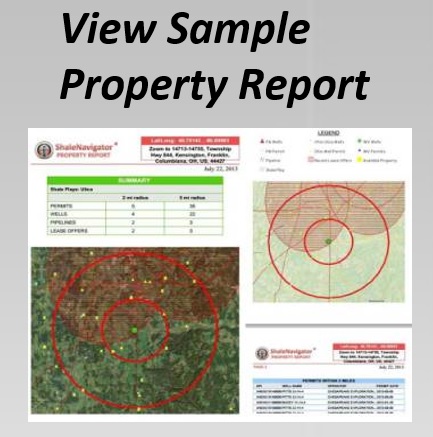
Interactive research can help connect legal documents with physical development. A map showing nearby permits or producing wells does not prove who owns the executive right, but it can identify the relevant operator, lease area, and documents requiring further investigation. Shale Navigator’s well records can support that preliminary review for US shale properties.
Recording Findings And Getting Advice
Create a rights matrix after reading the documents. List each party in separate columns for mineral ownership, executive right, royalty interest, bonus entitlement, delay rentals, lease obligations, and consent rights. This prevents a common error: treating one person’s economic interest as proof that the same person controls leasing decisions.
Record uncertainties precisely. Instead of writing “ownership unclear,” note whether the issue concerns an undefined fractional share, a missing prior deed, an inconsistent legal description, a possible reservation, or an unrecorded assignment. Then identify the document or legal opinion needed to resolve it. This makes the review useful to landmen, investors, attorneys, engineers, and family owners.
Consider the practical consequences of an incorrect assumption. A person without executive authority may be unable to sign an enforceable lease. A lease signed without required consent may trigger disputes among co-owners, while an owner who overlooks a retained executive right may give away negotiating power or fail to protect other interest holders. Bonus payments, royalty calculations, pooling decisions, and surface access terms can all be affected.
For US transactions, keep the deed review separate from market screening but use both before committing funds. Subscription users can compare property, permit, lease, and development information through subscription options, while a title lawyer or qualified landman confirms the legal effect of the recorded instruments. A free seven-day account may be useful for initial research, but it does not replace a formal title opinion.
Use the deed language, the complete chain of title, and the relevant land and development records to establish who can lease the minerals and who shares in the proceeds. Begin with the recorded instruments, document every uncertainty, and obtain jurisdiction-specific advice before relying on an executive-rights determination in a purchase, lease, financing, or inheritance decision.