


How to Trace the Assignment History of a Producing Lease
A producing oil and gas lease can change hands several times after the original agreement is signed. The lessor may still receive royalty payments from the same well, while the lease has been assigned to a new operator, transferred within a corporate family, divided among multiple working-interest owners, or included in a broader asset sale.
Checking that history requires more than searching for the current operator’s name. A reliable review connects the original lease, recorded assignments, amendments, pooling documents, well records, and production information. The objective is to establish who held the lease at each stage and whether the current interest is properly documented.
This process matters to mineral-rights owners, prospective buyers, landmen, attorneys, engineers, and investors. A clear chain of title can explain payment changes, identify outstanding obligations, and reveal whether a producing interest has been conveyed, reserved, or burdened by another agreement.
Start With The Lease And Property Identifiers
Begin by collecting every identifier associated with the property. Useful information includes the county and state, legal description, survey or section details, lessor and lessee names, lease date, recording number, API number for a related well, and the current operator. A property address alone may be insufficient because oil and gas instruments are usually indexed by legal description and party name.
Locate the original oil and gas lease in the county recorder, county clerk, or register of deeds office. Depending on local practice, records may be available through an online land-records portal, a courthouse search, or a title company. Read the entire instrument, including exhibits, addenda, depth limitations, pooling language, term provisions, and assignment clauses.
The lease establishes the starting point for the chain of ownership. It may identify an initial lessee that no longer appears in current production records. It can also contain a provision allowing assignment without the lessor’s consent, requiring notice of transfer, or limiting transfers by tract, depth, or well.
Distinguish Lease Assignments From Related Transfers
An assignment conveys a lessee’s interest in an existing lease. It may transfer the entire lease, a percentage of the working interest, a particular tract, selected depths, or rights associated with specific wells. The document should be reviewed for the exact interest conveyed rather than treated as evidence that the recipient acquired everything connected to the property.
Other recorded instruments can affect the chain without being titled “Assignment.” These include mergers, name-change affidavits, deeds, contribution agreements, bills of sale, memoranda of lease, releases, ratifications, and orders confirming corporate reorganizations. A company may change names while retaining the same leasehold estate, or an asset package may move to a subsidiary through a transaction recorded in a separate document.
A production payment, overriding royalty interest, net revenue interest, or mineral deed is also different from a lease assignment. These instruments may affect who receives revenue without changing the party responsible for operating the well. Separating the working interest, royalty interest, and mineral ownership prevents a common title-search error: assuming the recipient of payments owns the lease itself.
Build A Chronological Chain Of Title
Create a timeline beginning with the original lease and moving forward through every relevant conveyance. For each document, record the execution date, recording date, grantor, grantee, instrument type, book and page or document number, legal description, percentage transferred, and any stated effective date. The execution date and recording date can differ significantly, so preserve both.
Read the granting and reservation clauses closely. A document may assign “all right, title, and interest” in a lease, or it may transfer only a defined share. It may reserve an overriding royalty, exclude certain formations, retain liability for plugging costs, or apply only to acreage within a specific unit. Attachments and schedules often contain the property-level details omitted from the first page.
Check whether each transferor actually held the interest being conveyed at the relevant time. The chain should move from the original lessee to an assignee, then from that assignee to the next owner. If a name appears without a corresponding conveyance, investigate corporate records, merger filings, assumed-name documents, or an unrecorded transaction that may require additional confirmation.
Use Regulatory And Production Records As Cross-Checks
State oil and gas agencies provide a second source for verifying lease and well information. Their databases may show the well’s API number, permit history, operator changes, production volumes, completion details, plugging status, and unit or field information. These records can identify the producing asset connected to a lease, although they do not always establish the complete ownership chain.
A well record is not a substitute for a recorded title search. Regulatory databases may list an operator rather than every working-interest owner, and the operator shown in a database may not match the company named in an older lease assignment. Use well records to connect production activity with the relevant well, then return to county instruments to verify the legal transfer.
Compare dates carefully. A new operator may appear in regulatory records before an assignment is recorded, or a recorded assignment may cover a portfolio of leases while the agency updates wells individually. Differences do not automatically indicate a defect, but they should be documented and explained in the research file.
Track Unitization, Pooling, And Partial Interests
Producing leases frequently participate in pooled units or production units that combine multiple tracts. A lease assignment may refer to a unit, a well, or a percentage of production rather than the entire original leasehold. Review pooling declarations, unit agreements, allocation schedules, drilling and spacing orders, and amendments that identify the acreage contributing to production.
Pay attention to depth and formation restrictions. A transfer can cover the Marcellus or Haynesville interval while leaving other formations with the original lessee. Horizontal development can also create separate tract or unit interests under the same surface property, making a simple “current owner” label misleading.
A partial assignment may leave several parties sharing the working interest. In that situation, identify the operator, non-operating working-interest owners, overriding royalty holders, and royalty owners separately. Confirm how production is allocated and whether the assignment includes obligations for operating expenses, plugging, environmental work, or future development.
| Record or source | What it can verify | Common limitation |
|---|---|---|
| Original oil and gas lease | Initial lessee, term, acreage, formations, and assignment provisions | May not reflect later transfers or amendments |
| Recorded assignment | Grantor, grantee, conveyed percentage, effective date, and legal description | May cover many properties in an attached schedule |
| County index and land records | Filing sequence, related instruments, releases, and liens | Indexes can contain spelling or indexing errors |
| State regulator database | Well identity, operator history, permits, and production | Often does not show the full ownership chain |
| Pooling or unitization documents | Participating acreage and production allocation | Unit boundaries may differ from lease boundaries |
| Pay statements or division orders | Revenue recipients, decimal interests, and account history | Payment data may omit unreleased or disputed interests |
Confirm The Current Holder And Outstanding Burdens
After assembling the chain, compare the latest assignment with current production and payment records. A division order can show the decimal interest recognized by the purchaser, while a royalty statement may identify the remitting operator or production purchaser. These documents are useful evidence, but they should be matched against recorded instruments rather than accepted as proof of title by themselves.
Search for liens, mortgages, security instruments, releases, state tax warrants, bankruptcy filings, and litigation affecting the leasehold estate. A lease may have been assigned, pledged as collateral, and later released. A release recorded against a parent company may not release an affiliate’s interest, and a blanket instrument may require careful review of its exhibits.
Check whether the lease is still active under its terms. Production in paying quantities, shut-in payments, continuous-development clauses, force majeure provisions, and temporary cessation language can affect whether the lease remains in force. An assignment history shows transfers, but it does not independently prove that every leasehold right survived expiration or termination.
Organize Findings For Review And Reporting
A useful assignment-history report should include a property summary, a chronological conveyance schedule, copies or links to source documents, a map or legal-description reference, and unresolved issues. State whether each document was located, whether the description matched, and whether the transfer appears complete, partial, or subject to an exception.
Use consistent names for companies and individuals, while preserving the exact names shown in the instruments. Record former names and corporate successors in separate fields. This makes it easier to search a database when an operator has reorganized or appears under several variations.
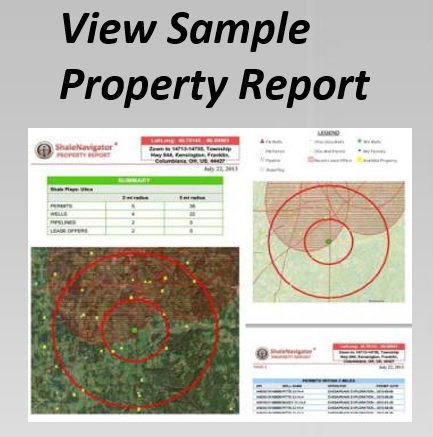
For complex holdings, specialized mapping and reporting platforms can reduce the time spent connecting wells, leases, permits, mineral rights, and property records. When a chain contains conflicting assignments, missing schedules, or material ownership uncertainty, professional title review is appropriate; a landman or oil and gas attorney can interpret local recording practices and prepare a defensible opinion.
Practical Checks Before Relying On The Chain
- Confirm the legal description in every assignment, including exhibits and unit schedules.
- Compare execution dates, recording dates, effective dates, and operator-change dates.
- Separate leasehold ownership from royalty, overriding royalty, and mineral interests.
- Search for releases, liens, mortgages, bankruptcy filings, and corporate name changes.
- Preserve source documents and note every unresolved gap or inconsistent ownership entry.
A well-supported lease history turns scattered county filings and production records into an understandable ownership timeline. Begin with the original lease, follow each conveyance to the present, and use regulatory and payment data as verification rather than substitutes for recorded title evidence.
For assistance connecting property details, well activity, and lease-related records, contact the Shale Navigator team. A structured search can help you move from a producing well to the documents needed for a clearer ownership and assignment review.