


Comparing Haynesville And Eagle Ford Lease Bonus Offers
Lease bonus negotiations in the Haynesville and Eagle Ford rarely come down to a single headline dollar amount. A strong offer reflects the location of the tract, the operator’s development schedule, expected well economics, royalty rate, lease term, surface obligations, and the probability that drilling will actually occur. Two landowners with similar acreage can receive very different proposals because their properties sit in different geological and commercial positions.
The Haynesville is concentrated in northwest Louisiana and nearby East Texas, where deep, highly productive gas wells support intense development in established units. The Eagle Ford extends across South Texas and includes oil, condensate, and dry-gas windows. That broader commodity mix creates more variation in lease value from county to county and from one target interval to another.
A useful comparison therefore combines market intelligence with parcel-level research. Public permits, producing wells, pipeline access, mineral ownership, and nearby lease activity can reveal whether an offer reflects genuine development potential or simply a broad regional marketing strategy.
What A Lease Bonus Actually Measures
A lease bonus is the upfront payment made to a mineral owner in exchange for signing an oil and gas lease. It is usually quoted per net mineral acre, although the owner should confirm whether the figure applies to gross acreage, net acreage, or only the portion included in a proposed drilling unit. Payment timing and title approval can also affect the final amount received.
The bonus is only one part of the economic package. A lower upfront payment may be offset by a higher royalty, a shorter primary term, stronger shut-in limits, or better protections against holding acreage indefinitely. Conversely, a large bonus can conceal restrictive language, broad pooling rights, deductions from production, or an extended lease term that reduces negotiating flexibility.
Owners should compare the full lease form rather than treating competing bids as simple cash offers. The value of an offer depends on both immediate compensation and the likelihood of receiving production income within a reasonable period.
Why Haynesville And Eagle Ford Offers Differ
Haynesville leasing often benefits from concentrated development, significant gas infrastructure, and strong operator familiarity with the play. In core areas, competition for contiguous acreage can support substantial bonuses, particularly where a tract helps complete a drilling unit or extends an existing position. However, gas prices, takeaway capacity, regulatory conditions, and operator capital plans can quickly change the strength of demand.
Eagle Ford offers are more geographically and geologically diverse. Oil-focused areas may command a different price from dry-gas or less-developed windows, while established infrastructure and nearby horizontal production can increase confidence in a lease. A tract outside the preferred drilling corridor may receive a lower offer even if it lies within the broader play boundary.
The most reliable comparison is therefore between properties with similar characteristics. Compare Haynesville acreage with nearby Haynesville acreage and Eagle Ford acreage with nearby Eagle Ford acreage, then adjust for depth, target formation, production history, unit configuration, road access, pipeline connections, and competing mineral interests.
Variables That Move The Number
The first major variable is development certainty. A parcel surrounded by permitted wells, recently completed laterals, and active operators generally has more negotiating leverage than an isolated tract. A permit does not guarantee production, but it can indicate that an operator has advanced beyond general land acquisition.
A second variable is acreage position. Large, contiguous blocks are often more attractive because they simplify unit formation and reduce the risk of fragmented ownership. Small tracts can still be valuable when they are necessary to complete a planned unit, but that leverage depends on timing and the operator’s ability to secure surrounding interests.
The lease’s financial terms also matter. Royalty rates, bonus payments, primary term, extension options, depth severance, free-use clauses, post-production deductions, and continuous-development language can materially change the deal. A Haynesville offer with a higher bonus but a lower royalty may produce less long-term value than a balanced Eagle Ford proposal with stronger production economics.
Owners evaluating development timing can use permit map guidance to distinguish nearby applications from permits tied to a more advanced well-location process. This helps put an operator’s urgency into context before negotiations begin.
A Practical Comparison Framework
Start by calculating the bonus on a net-mineral-acre basis. Verify ownership percentages through title records and subtract any previously conveyed interests, overriding royalties, or other burdens. Then identify the proposed unit size and determine whether the entire tract is likely to participate in one or more horizontal wells.
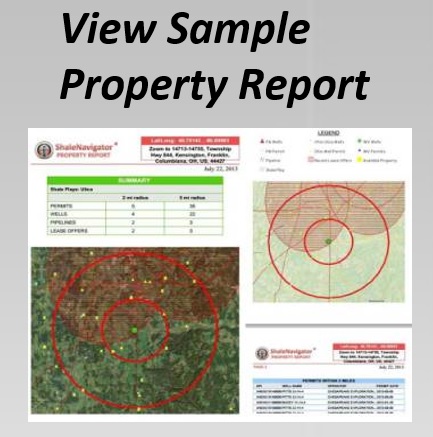
Next, assess nearby activity over a recent period. Look for permits, spud dates, producing wells, lateral lengths, operator changes, gathering systems, and pipeline routes. The data store can support this process by bringing together mapping and property information that would otherwise require separate searches.
The comparison should then move beyond the bonus. Estimate possible royalty income under conservative, moderate, and optimistic production assumptions, while allowing for commodity-price changes and production declines. Review whether the lease permits pooling, unit expansion, assignment, and depth rights without additional owner consent.
| Evaluation factor | Haynesville considerations | Eagle Ford considerations |
|---|---|---|
| Primary commodity | Primarily natural gas, with economics tied closely to gas prices and takeaway | Oil, condensate, and gas windows create different value profiles |
| Development pattern | Dense activity in core Louisiana and East Texas areas | More varied activity across oil, condensate, and gas corridors |
| Infrastructure | Gathering and pipeline access can strongly affect gas development | Road, gathering, processing, and export access may influence returns |
| Best leverage signal | Contiguous acreage near active permits and producing units | Nearby horizontal activity in the same target and commodity window |
| Key lease concern | Long terms, deductions, and continuous-development language | Depth rights, surface use, water operations, and commodity-specific economics |
| Useful comparison | Nearby leases with similar gas productivity and unit position | Nearby offers matched by county, formation, operator, and production type |
Reading Offers By County And Operator
Regional averages can be useful as a starting point, but they can also mislead. County boundaries do not define geological quality, and a single county may contain several target intervals with very different well results. A parcel near a proven sweet spot may deserve a different analysis from one only a few miles away.
Operator behavior provides another important signal. A company that has recently filed permits, built infrastructure, or acquired adjacent acreage may be more motivated than an operator making a broad, speculative offer. Check whether the company has a record of timely payments, actual drilling, lease extensions, and clear communication with mineral owners.
Online research also requires source discipline. Promotional pages, copied market commentary, and unrelated material can create false confidence if they are treated as evidence. A general research reference may be encountered during online searches, but it should not substitute for county records, regulatory filings, production data, or the lease documents themselves.
Negotiating Beyond The Headline Bonus
A mineral owner can often improve the overall package by negotiating several provisions at once. If the operator cannot increase the bonus, the owner may seek a higher royalty, a shorter primary term, removal of an extension option, or a narrower definition of recoverable post-production costs.
Depth protection deserves close attention in both plays. A lease may cover every formation beneath the property, even though the operator intends to develop only one interval. A depth severance provision can return unused formations to the mineral owner after a defined period, allowing future leasing to another operator.
Surface and operational provisions are particularly significant in the Eagle Ford, where roads, well pads, tanks, water handling, and truck traffic can affect the surface estate. Haynesville owners should also review infrastructure and pipeline clauses, especially where intensive gas development could require multiple facilities or gathering lines.
Due Diligence Before Signing
A disciplined review reduces the risk of accepting an attractive offer that performs poorly later. Keep written records of every proposal, including the date, acreage basis, royalty, term, extension payment, and conditions attached to the offer. Ask whether the proposal is subject to title, survey, unitization, or corporate approval.
Use these steps when comparing competing lease proposals:
- Confirm net mineral ownership and identify existing burdens or prior leases.
- Map permits, producing wells, unit boundaries, pipelines, roads, and nearby mineral owners.
- Compare bonus, royalty, term, extension rights, deductions, and depth coverage together.
- Request operator details, payment timelines, and a complete lease form before agreeing.
- Have an oil and gas attorney review the document and negotiate clauses affecting long-term value.
A seven-day account can provide a practical starting point for exploring mapping and reporting resources before committing to a subscription. The goal is to turn a broad regional offer into a parcel-specific valuation supported by evidence.
Use Shale Navigator to examine the surrounding Haynesville or Eagle Ford activity, compare infrastructure and permit patterns, and organize the property facts that matter in negotiation. With a clear view of both upfront bonus value and long-term lease terms, mineral owners can approach operators from a stronger, better-informed position.