


Casino Device Fingerprinting: What Australian Players Should Know
Online casinos use several security systems to protect accounts, payments, promotions, and games. One of the less visible tools is device fingerprinting, a method that helps an operator recognise a browser or device by combining technical signals. It can be useful for fraud prevention, although players may reasonably want to know what information is collected and how it affects their experience.
Searches such as “casino device fingerprint casino” generally refer to this technology and its role in online gambling security. For Australian players considering LuckyElf, understanding the process can make account registration, bonus claims, deposits, and withdrawals easier to navigate.
LuckyElf is presented as a third-party online casino for Australian users, with a welcome offer of up to AU$8,000 and 250 free spins advertised on its promotional page. The exact terms, eligibility requirements, wagering conditions, and availability should always be checked before registration.
What Device Fingerprinting Means
A device fingerprint is a collection of technical details that can help identify a particular browser or device. These details may include the operating system, screen size, browser version, language settings, time zone, installed fonts, graphics configuration, and other signals made available when a website loads.
Unlike a password or account number, a fingerprint is not usually one single piece of information. It is a probability-based profile created by combining multiple characteristics. A casino may use this profile to determine whether several accounts appear to be operated from the same device or whether a login looks unusual.
The purpose is generally account protection rather than game tracking. When used responsibly, device recognition can help identify automated activity, stolen credentials, duplicate accounts, payment abuse, or suspicious bonus claims. It may also trigger an additional verification step when a player changes devices or connects from a new location.
Why Casinos Use Browser And Device Signals
Promotional bonuses create an incentive for fraudsters to open multiple accounts, reuse payment methods, or automate registrations. A device fingerprint can be one signal in a wider risk assessment that also considers IP address, email address, payment details, login patterns, and identity verification documents.
A fingerprint is not perfect evidence of wrongdoing. Families may share a laptop, workplaces may use the same network, and public Wi-Fi can connect many unrelated users. Privacy tools, browser updates, virtual machines, and mobile networks can also change the signals a website receives. For these reasons, a responsible operator should use device intelligence alongside human review and clear account policies.
For players, the practical effect may be a temporary bonus restriction, a request for identity documents, or a payment review. That does not automatically mean an account is in trouble. It can simply indicate that the operator wants to confirm ownership and ensure the promotion is being used according to its terms.
Privacy, Consent, And Account Security
Before joining any online casino, review its privacy notice, terms of use, bonus rules, and responsible gambling information. Look for explanations of how personal data is collected, stored, shared, and retained. A trustworthy registration process should also use secure connections and provide a clear route for account support.
Device fingerprinting does not replace basic security practices. Use a unique password, enable multi-factor authentication where available, and avoid signing in through unknown links or unofficial applications. Players should also be cautious when asked to send identity or payment documents and should confirm that requests come through the casino’s official support channel.
Data literacy is valuable in any online decision involving property, finance, or digital services. Readers comparing information sources can explore interactive mapping platform features to see how structured data, filters, and source context make complex information easier to assess. The same habit applies when reviewing casino terms: check the details instead of relying only on promotional wording.
How Fingerprinting Can Affect LuckyElf Players
LuckyElf promotes access for Australian players and lists several payment options, including PayID, bank cards, and cryptocurrency. Each payment method can involve different verification requirements. A deposit may be accepted quickly while a withdrawal requires confirmation of identity, payment ownership, or source of funds.
The advertised welcome package of up to AU$8,000 plus 250 free spins should be treated as a conditional promotion rather than guaranteed cash. Players should examine the minimum deposit, eligible games, wagering multiplier, maximum bet, expiry period, withdrawal limits, and any restrictions on combining offers. A promotional code may also need to be entered during registration or before a qualifying deposit.
If a player changes from a home computer to a mobile device, uses a different browser, or logs in while travelling, the casino may see a new risk pattern. Keeping account details consistent and responding promptly to reasonable verification requests can reduce delays. Players should never open duplicate accounts to bypass a promotion or attempt to disguise account activity.
| Casino Feature | What Players Should Check | Why It Matters |
|---|---|---|
| Device recognition | Privacy notice and security explanation | Shows how browser and account signals may be used |
| Welcome bonus | Wagering rules, expiry, eligible games, maximum bet | Determines whether the headline offer suits the player |
| PayID and cards | Deposit limits, ownership checks, withdrawal process | Helps prevent payment delays |
| Cryptocurrency | Supported coins, exchange-rate treatment, fees | Transaction values can change before settlement |
| VIP and cashback | Qualification rules and exclusions | Rewards may depend on turnover or game type |
| Account review | Identity documents and support channels | Confirms ownership and protects withdrawals |
Payments, Withdrawals, And Promotional Checks
A smooth deposit does not always mean an instant withdrawal. Online casinos commonly carry out stronger checks when money leaves the account. This may include verifying the player’s name, date of birth, address, payment method, and source of funds. Device and location signals can form part of that process, especially if account activity changes suddenly.
PayID may appeal to Australian users who prefer local bank-linked payments, while cards offer a familiar alternative. Cryptocurrency can provide another route, but it may involve network fees, confirmation times, price volatility, and additional compliance checks. The payment page and casino terms should explain available limits and processing expectations.
LuckyElf’s promotional material also refers to VIP rewards, cashback, reload bonuses, and a promotional code. These offers can have separate conditions from the welcome package. A player should record the offer selected, the date of activation, and any qualifying transaction so that the account history is easier to review if a question arises.
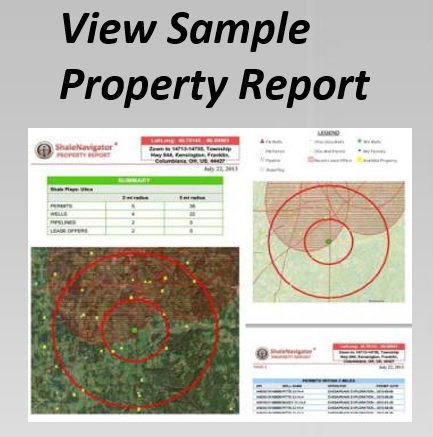
For readers interested in how detailed information can be organised and checked, the Chattanooga Shale analysis demonstrates how layered data can provide context around a complex subject. Casino users can apply a similar approach by examining bonus, payment, privacy, and verification information together rather than assessing a single headline claim.
Practical Checks Before Registration
A careful registration process can prevent misunderstandings later. The promotional page may direct users to a third-party casino, so confirm the destination, read the current terms on that site, and make sure the account is available to Australian residents. Marketing pages and operator terms can change, particularly for bonuses and payment methods.
Use the following checks before depositing:
- Read the privacy policy to understand device, location, payment, and account data collection.
- Confirm the welcome bonus conditions, including wagering requirements and withdrawal restrictions.
- Check whether PayID, cards, or cryptocurrency withdrawals require prior verification.
- Use one personal account and keep registration details accurate and consistent.
- Set a deposit limit and review responsible gambling tools before playing.
Device fingerprinting is best understood as one part of a broader security framework. It can help a casino identify unusual behaviour, but it should not replace transparent policies, responsive support, fair account review, or proper handling of personal information. Players should also remember that promotional eligibility is never a substitute for checking whether gambling fits their budget.
LuckyElf may interest Australian players seeking a casino with a large advertised welcome package, free spins, multiple payment choices, cashback, reload promotions, and VIP features. Before using the luckyelf casino bonus code during registration, verify the current offer, review the operator’s terms, and consider how identity checks and device security may affect the account.
Approach the promotion as an informed comparison rather than a guarantee of winnings. Review the official conditions, protect login details, choose a payment method carefully, and play within a fixed budget.