


A Landman’s Guide to Tracking Expiring Lease Options
Lease options can create valuable flexibility for an oil and gas operator, but that flexibility has a deadline. An option may preserve the right to extend a lease, add acreage, or enter a follow-on agreement, yet the opportunity can disappear if a notice, payment, or recording requirement is missed. For landmen, the central task is turning scattered lease language and changing field conditions into a reliable action calendar.
Tracking expiring lease options requires more than sorting documents by date. A useful system connects each deadline to the leasehold, mineral ownership, well activity, permitting, title status, and the business reason for exercising or declining the option. That context helps a team prioritize work before a deadline becomes an emergency.
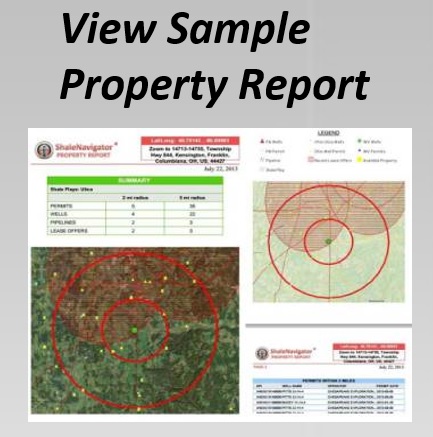
Digital mapping can make this process easier by placing lease and property information beside shale plays, wells, permits, pipelines, and other relevant layers. The Shale Navigator platform can support that type of geographic review while a landman maintains the controlling legal record in the lease file.
Why Option Expiration Matters
An option deadline may affect the future of an entire drilling unit, not just a single tract. If an operator fails to exercise it correctly, acreage can become unavailable, a competing party may gain leverage, or a planned well may no longer satisfy its leasehold requirements. The financial effect can extend to title work, surface planning, pooling decisions, and development commitments.
The date itself is only one part of the risk. A lease may require written notice within a specific period, payment of additional consideration, delivery by a defined method, or exercise before a stated time on the final day. Some agreements calculate the period from the effective date, while others use execution, recording, or commencement dates. A landman should identify the controlling clause instead of relying on a summary date copied into a spreadsheet.
A strong review also distinguishes between an option to extend, a right of first refusal, a renewal provision, a continuous development clause, and a right to acquire additional acreage. These provisions can have different notice standards and commercial effects. Treating them as identical “expirations” creates avoidable errors.
Build A Reliable Option Inventory
Begin with a master inventory that assigns one record to every lease, memorandum, amendment, ratification, and related option. Capture the lessor, lessee, county, state, legal description, lease number, gross and net acres, effective date, primary term, option period, notice period, consideration, and exercise method. Store the source document and identify the person responsible for the next action.
Do not enter only the final expiration date. Record the calculation behind it, including any extension already exercised, shut-in provision, force majeure language, production-based extension, or written amendment. If a deadline depends on a well being drilled, completed, producing, or capable of production, create separate milestone fields rather than forcing everything into a calendar date.
Geographic identifiers are equally important. Link the lease to tract boundaries, survey information, tax parcels, well units, and neighboring leases. A map review can reveal that a short-term option covers the missing portion of a proposed unit or overlaps acreage held under a different lease. It can also expose gaps caused by inconsistent tract names or outdated legal descriptions.
Read The Lease Before Setting The Reminder
The most dependable expiration schedule starts with clause-level interpretation. Look for language covering extension rights, renewal terms, delay rentals, bonus payments, notice addresses, permitted notice methods, cure periods, and deadlines for payment. Check whether notice is effective when sent, received, or accepted, and whether a holiday or weekend changes the due date.
Compare the lease to every later document. A memorandum may describe the term differently from the recorded lease, while an amendment may change the notice address or payment amount without changing the original expiration date. Assignments can also introduce administrative requirements, including notices to the lessor or updated remittance instructions.
Use at least two controls for material deadlines: a calendar alert and a document-based checklist. Set preliminary reminders well before the legal cutoff, allowing time for title review, acreage confirmation, internal approvals, payment processing, and delivery verification. For high-value or disputed leases, route the final interpretation to counsel rather than treating a database entry as legal advice.
Connect Deadlines To Field And Market Signals
An option decision becomes more meaningful when it is tied to activity around the lease. Review nearby permits, producing wells, drilling schedules, pipeline access, gathering infrastructure, mineral ownership, and competing leasing. These factors can help determine whether preserving the right has strategic value or whether the option is unlikely to support a viable development plan.
For regional context, a landman can compare lease timing with play-level conditions. A resource such as this Barnett Shale overview can help frame geology, development history, infrastructure, and operating considerations before a team evaluates a specific tract. The same principle applies in other shale areas: an option should be reviewed within its operational setting, not as an isolated contract date.
Map-based monitoring is especially useful when an expiring option intersects a proposed unit, an active permit, or a corridor with pipeline access. Save dated map views or exports when making a recommendation. This creates an audit trail showing what information supported the decision at the time.
Match The Tracking Method To The Risk
Different tracking methods serve different purposes. A spreadsheet may work for a small portfolio, while a document-management system or land database is usually better for a large leasehold with many amendments and related deadlines. The right choice depends on volume, complexity, collaboration, and the cost of missing one date.
| Tracking method | Best use | Strength | Common weakness |
|---|---|---|---|
| Calendar reminders | Individual deadlines | Fast and visible | Lacks lease context |
| Spreadsheet register | Small or moderate portfolios | Flexible and inexpensive | Version-control risk |
| Land-management database | Complex leaseholds | Links documents, parties, acreage, and dates | Requires setup and maintenance |
| GIS or mapping application | Spatial review and prioritization | Shows overlap with wells, permits, and infrastructure | Does not replace legal analysis |
| Document workflow system | Team approvals and notices | Creates assignments and an audit trail | May require integration with land records |
A practical program often combines these tools rather than selecting only one. The lease database should remain the authoritative source for terms and documents. A calendar can provide short-term alerts, while mapping helps rank deadlines by acreage position and development relevance. Clear ownership is essential: one person should be accountable for moving each option from review to exercise, release, or escalation.
Establish A Repeatable Review Cycle
Set a regular review cadence based on the portfolio’s risk. A monthly horizon review can identify options expiring in the next 90 to 180 days, while a weekly action review can focus on deadlines requiring notice or payment within the next 30 days. High-value or strategically important leases may warrant a separate management report.
Use status labels that reflect actual progress, such as “terms under review,” “title pending,” “business decision needed,” “notice prepared,” “payment pending,” “exercised,” and “declined.” Each record should show the latest document reviewed, the next action, the responsible person, and the date of the last verification.
The following practices help keep the process dependable:
- Recalculate every deadline after an amendment, assignment, extension, or recorded correction.
- Confirm legal descriptions against maps, surveys, tax parcels, and current leasehold records.
- Start title and ownership checks early enough to resolve heirship, entity, or address issues.
- Preserve proof of notice delivery, payment, recording, and receipt in the related lease file.
- Review declined options for release, expiration, or follow-up obligations before closing the record.
Turn Expiration Data Into A Decision
When an option approaches its deadline, prepare a concise decision package rather than forwarding a date alone. Include the contractual requirement, acreage affected, estimated exercise cost, title status, nearby development, infrastructure access, permitting activity, and the consequences of allowing the right to lapse. This gives operations, finance, legal, and management a common basis for action.
The recommendation should also state what happens next. If the option will be exercised, identify who prepares notice, who approves payment, how delivery will be verified, and where evidence will be stored. If it will not be exercised, document the release strategy, any continuing obligations, and whether the acreage should be monitored for future leasing or competing activity.
A disciplined process protects more than deadlines. It improves negotiation leverage, reduces duplicated title work, and helps a company distinguish valuable leasehold from acreage that is consuming attention without supporting a realistic development plan.
For help evaluating a mapping and reporting workflow for lease-option monitoring, contact the team. A focused review of your acreage, deadlines, and surrounding activity can help turn an expiring option from a last-minute problem into a managed land decision.