


Understanding Net Mineral Acres And Royalty Percentages
Mineral ownership in the United States is often described with two figures: net mineral acres and a royalty percentage. They appear in purchase agreements, lease abstracts, title reports, probate records, and oil and gas company evaluations. Yet these numbers measure different things. One describes the ownership area, while the other describes the share of production revenue reserved for the mineral owner.
The distinction matters because a large mineral acreage position may generate little income if it carries a low royalty, has extensive deductions, or sits outside a productive development area. Conversely, a smaller position can be valuable when it is leased at a strong royalty rate and included in a high-performing unit.
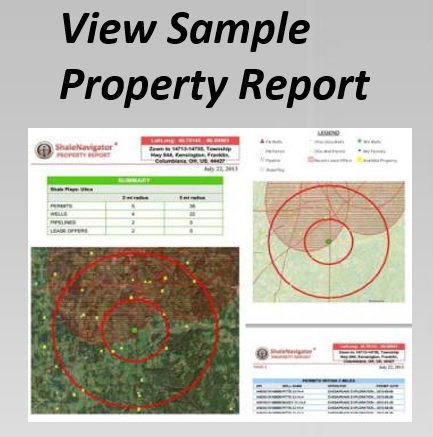
A reliable evaluation combines ownership records, lease terms, well information, and geographic context. Mapping tools can help connect those details by showing where mineral rights, permits, producing wells, pipelines, and lease activity overlap.
What Net Mineral Acres Actually Measure
Gross acres are the total surface area of a tract or lease. Net mineral acres, often abbreviated NMA, represent the portion of the mineral estate actually owned by a person or entity after accounting for fractional ownership. If someone owns all minerals beneath a 160-acre tract, the holding is 160 net mineral acres. If that owner holds a one-half mineral interest, the position is 80 net mineral acres.
The basic calculation is:
Gross acres × mineral ownership fraction = net mineral acres
A tract can have several layers of ownership. For example, a 640-acre section may be divided among multiple heirs, trusts, companies, and reserved interests. A deed may transfer only a one-quarter mineral interest, while a later conveyance may reserve half of the oil, gas, or other minerals. These instruments must be read together before calculating the current NMA.
Net mineral acres also differ from net royalty acres. NMA describes the mineral ownership before leasing. Net royalty acres attempt to express the economic value of that ownership after applying the royalty rate. The second figure can be useful for comparing deals, but it should never replace a review of the actual lease and title documents.
How Royalty Percentages Affect Income
A royalty percentage is the share of production revenue reserved for the mineral owner under an oil and gas lease. Common lease rates may include 12.5%, 18.75%, 20%, 22.5%, or 25%, although market terms vary by basin, timing, commodity, competition, and negotiating position.
The royalty is applied to the owner’s proportional share of production from the relevant well or pooled unit. A mineral owner who owns 10% of the minerals in a 640-acre unit does not automatically receive 10% of the well’s revenue. The owner’s decimal interest is generally calculated by multiplying the mineral ownership fraction in the unit by the leased royalty fraction, subject to the lease and division order.
For example, a person owning 20 net mineral acres in a 640-acre unit has a mineral fraction of 20 ÷ 640, or 0.03125. At a 20% royalty, the owner’s approximate royalty decimal before other adjustments would be 0.03125 × 0.20, or 0.00625. That decimal equals 0.625% of the allocated production revenue, not 20% of the entire well.
Lease language can change the practical result. Provisions addressing post-production costs, free use of gas, shut-in royalties, minimum royalty payments, and deductions may affect the amount ultimately received. A high headline royalty may be less attractive if the lease permits substantial deductions or covers only certain formations.
Gross Acres, Net Acres, And Lease Interests Compared
Several acreage terms appear in oil and gas records, and they should not be treated as interchangeable. Gross mineral acres refer to the entire mineral area under consideration. Net mineral acres account for the owner’s fractional interest. Net acres under lease account for the portion covered by a valid lease, while net revenue interest reflects the owner’s share of production after royalty and other burdens.
The following simplified example shows how the measurements relate:
| Measurement | Example calculation | What it indicates |
|---|---|---|
| Gross acreage | 640 acres | Total tract or unit area |
| Net mineral acres | 640 × 25% = 160 | Mineral acreage owned |
| Leased net acres | 160 × 90% = 144 | Owned acreage covered by lease |
| Royalty rate | 20% | Lease royalty reserved |
| Approximate royalty acres | 144 × 20% = 28.8 | Simplified economic comparison |
| Net revenue interest | Varies by lease and burdens | Share of production revenue |
“Royalty acres” are often used informally as a comparison tool. They are not a universal legal measurement, and different companies may calculate them differently. A buyer should ask whether the figure includes all owned minerals, only leased acreage, and any overriding royalty, production payment, or other burden.
A lease may also cover more acreage than the owner actually owns. In that situation, the owner signs as to the interest held, but the lease does not create ownership where none exists. Title verification is essential when acreage figures come from marketing materials, spreadsheet summaries, or verbal representations.
Why Unit Size And Allocation Matter
Production revenue is commonly allocated through a spacing or pooled unit rather than by surface acreage alone. If a well is completed across a 640-acre unit, the owner’s share depends on the mineral interest within that unit and the lease terms. A larger unit can reduce the owner’s percentage of a single well, although it may also support longer laterals and broader development.
Horizontal wells make allocation more complex. A well may cross multiple tracts, sections, or governmental units, and the operator may use a designated allocation method. Some jurisdictions rely on unit acreage, while others apply specific rules for production sharing, drilling units, or allocation wells. The recorded unit declaration, pooling order, field rules, and division order can each provide important evidence.
Geography is therefore part of the economic analysis. A mineral owner should review whether the tract lies within an active shale play, near permitted wells, along planned infrastructure, or inside an area with limited development. For broader regional context, Bakken gas context can help illustrate why maps and production trends matter when evaluating a mineral position.
A map cannot establish legal title, but it can reveal relationships that deserve investigation. A tract near a pipeline may have different development prospects from a similarly sized tract in an isolated area. Permit density, nearby completions, lease offers, and formation depth can also influence how quickly a royalty interest may become productive.
Documents Needed For A Reliable Calculation
The most dependable NMA and royalty analysis begins with the chain of title. Relevant documents may include deeds, mineral deeds, probate filings, affidavits of heirship, assignments, reservations, leases, amendments, pooling instruments, and correction documents. Each should be checked for legal descriptions, effective dates, conveyed formations, and retained interests.
A lease abstract should identify the royalty rate, primary term, extension options, depth restrictions, continuous development provisions, and treatment of non-producing formations. It should also note whether the lease covers all minerals or excludes coal, limestone, pore space, or other substances. A lease can be valid while applying only to a specified horizon or tract.
Revenue records add another layer. Division orders, check stubs, 1099 forms, production statements, and operator correspondence may show the decimal interest being used in payments. That decimal should be compared with the ownership calculation. A mismatch does not automatically prove an error; it may reflect a pooled unit change, a title dispute, an overriding royalty, a transfer, or a corrected division order.
When acreage spans several counties or states, county clerk records and applicable state rules become especially important. Professional title opinions can be necessary before a sale, lease negotiation, probate distribution, or major investment decision.
Common Errors In Mineral Interest Valuation
One frequent mistake is multiplying gross acres by the royalty rate and treating the result as owned acreage. Royalty does not create mineral ownership. Another error is assuming that a lease royalty applies to every acre associated with a family, trust, or company. The rate applies only to the interest and acreage covered by that lease.
It is also risky to rely on a single production check. Payment amounts can vary because of commodity prices, temporary well declines, deductions, market adjustments, severance taxes, suspended funds, or changes in ownership. A sustained review should examine production history and payment statements over an appropriate period.
Useful review practices include:
- Separate gross acreage, NMA, leased acreage, royalty acres, and net revenue interest in every worksheet.
- Trace each ownership fraction to a recorded deed, probate document, or title opinion.
- Confirm the unit size, formation, pooling status, and allocation method for each producing well.
- Read the lease provisions governing deductions, depth limitations, shut-in payments, and reworking.
- Compare calculated decimal interests with division orders and operator payment records.
Digital mapping can make this review more efficient by placing property boundaries, mineral-rights information, permits, wells, and pipeline infrastructure in the same geographic workflow. Shale Navigator’s subscription options provide a way to examine additional data and features after the free account period when a deeper regional review is needed.
Turning Acreage And Royalty Data Into A Decision
The value of a mineral interest depends on more than NMA multiplied by an assumed royalty rate. Analysts typically consider basin activity, well spacing, expected recovery, commodity prices, decline curves, operating deductions, taxes, development timing, title risk, and the probability that a lease will be extended or replaced.
A practical valuation model should show assumptions separately. Estimate the owner’s unit share, apply the contractual royalty, project production by well, subtract permitted deductions and taxes, and discount future payments for timing and risk. When a tract has multiple leases or formations, calculate each interest independently rather than using a blended average that hides material differences.
For owners, the clearest next step is to organize the title and revenue evidence before negotiating a lease, accepting an unsolicited purchase offer, or signing a division order. For investors and professionals, the same process helps identify whether a promising acreage figure is supported by a clean title, a commercially useful lease, and realistic development potential.
Use net mineral acres as the foundation for understanding ownership, then use royalty percentages and revenue interests to measure the economic share. With accurate records and map-based context, acreage figures become a more dependable basis for comparing opportunities and protecting mineral income. Create a focused property review, verify the underlying documents, and use the resulting calculations to guide your next leasing, investment, or ownership decision.